Kefalonia Greece Travel The Ultimate Guide to the Ionian Island of Turquoise Water and Timeless Charm
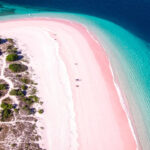
The first time you round the hairpin bend on the road above Myrtos Beach, your foot will instinctively lift off the accelerator. You will probably mutter something under your breath that you didn’t know you were going to say. Below you, a perfect crescent of blindingly white pebbles meets a sea that transitions through every shade of blue known to the human eye, from pale, glassy turquoise at the shoreline to a deep, electric sapphire in the depths. This is Kefalonia, the largest of the Ionian Islands, floating in the sparkling sea off the west coast of mainland Greece. It is an island of dramatic contrasts: soaring limestone mountains cloaked in dark cypress trees, sleepy fishing villages where octopus dries on a line in the afternoon sun, and beaches so impossibly beautiful they make you question whether the travel brochure photos were actually understated.
Kefalonia Greece Travel is not about the frantic, all-night party scene of Mykonos or the barefoot luxury of Santorini’s caldera. It offers something quieter, deeper, and more profoundly restorative. It is an island where you measure your days not by a clock, but by the sun climbing over Mount Ainos, by the tinkling of goat bells on a hillside, and by the slow, golden fade of evening light as you sip a glass of crisp local Robola wine in a vine-shaded taverna. This guide will take you through everything you need to know to plan an unforgettable journey to this Ionian gem.
Where Is Kefalonia and How Do You Get There?
Kefalonia, also spelled Cephalonia, is the sixth-largest island in Greece, sitting in the heart of the Ionian Sea. It is flanked by its famous neighbor Zakynthos to the south and the smaller, enchanting island of Ithaca, the legendary home of Odysseus, to the east. The island has its own international airport, Anna Pollatou Airport (EFL), located near the capital Argostoli. During the summer months, direct charter and budget airline flights arrive from all over the United Kingdom, Italy, Germany, and other European hubs. For travelers from Athens, there are daily direct flights that take just over an hour.
The more romantic, and often more flexible, way to arrive is by sea. The main ferry port is in Pessada, with regular connections to Kyllini on the Peloponnese mainland. The ferry from Kyllini to Kefalonia takes about 2.5 hours and is a beautiful, relaxing way to begin your Greek island adventure. There are also ferry connections to Ithaca, Zakynthos, and even Italy. Once you arrive on the island, Kefalonia’s size demands a set of wheels. The island is large and mountainous, and public buses, while functional between the main towns, will not take you to the secluded coves and mountaintop monasteries that make the island special. Renting a car is not a luxury here; it is the key that unlocks the island’s deepest secrets.
The Beaches Myrtos, Antisamos, Petani, and the Wild Coastline
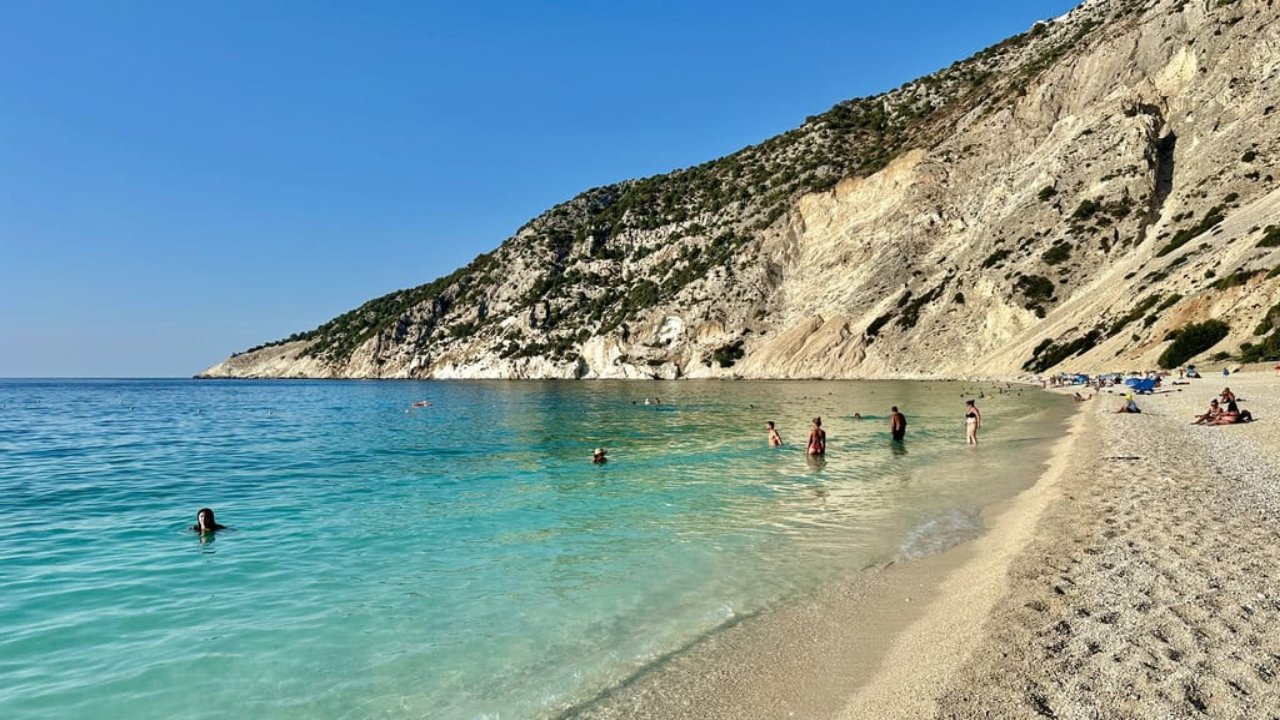
Kefalonia’s coastline is a masterpiece, and its beaches are the undisputed stars of the show. The queen of them all is Myrtos Beach. It has graced a thousand travel magazine covers, and it deserves every pixel of its fame. The beach is made up of smooth, brilliant white limestone pebbles, and the water is clean, bracingly cold, and startlingly clear. The drive down to the beach is a thrilling series of switchbacks, and the view from the parking area halfway down is one of the most photographed spots in all of Greece. The waves can be powerful here, so pay attention to the flag system. A red flag means no swimming.
On the eastern side of the island, facing the calm channel between Kefalonia and Ithaca, lies Antisamos Beach. Surrounded by lush, forested hills, this is a stunning sweep of white pebbles and aquamarine water. It gained wider fame as a filming location for Captain Corelli’s Mandolin, and for good reason. The water here is deep, calm, and perfect for a long, meditative swim. A beach bar plays relaxed music, and sunbeds are available, but the natural beauty remains the star. For a more rugged, local experience, head to Petani Beach on the Lixouri peninsula. It faces west and catches the full force of the Ionian sunset. The water is a slightly deeper, cooler blue than Myrtos, and the tavernas perched just above the beach serve fresh fish with a view that will stop you mid-sentence.
Beyond the famous names, Kefalonia is a treasure trove of hidden coves. Fteri Beach, accessible only by a steep trail or a water taxi from Agia Kyriaki, feels like your own private slice of paradise. Skala Beach, a long, sandy stretch in the south, is perfect for families with its gentle, shallow waters. The coastline between the capital Argostoli and the village of Lourdas is a continuous, spectacular drive of cliffs, coves, and endlessly changing shades of blue.
Charming Villages and the Elegant Capital of Argostoli
Kefalonia is not just a beach destination; its inland villages are the soul of the island. The capital, Argostoli, is a graceful, lively town built around a deep natural harbor. The iconic stone bridge of De Bosset, the longest stone bridge crossing a sea channel in the world, is perfect for an evening stroll. Every morning, you can watch the local fishermen feed the massive, ancient loggerhead sea turtles that gather near the fishing boats. The waterfront promenade is lined with gelato shops, stylish cafes, and tavernas where you can while away hours over a freddo cappuccino.
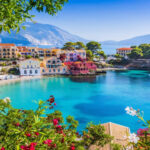
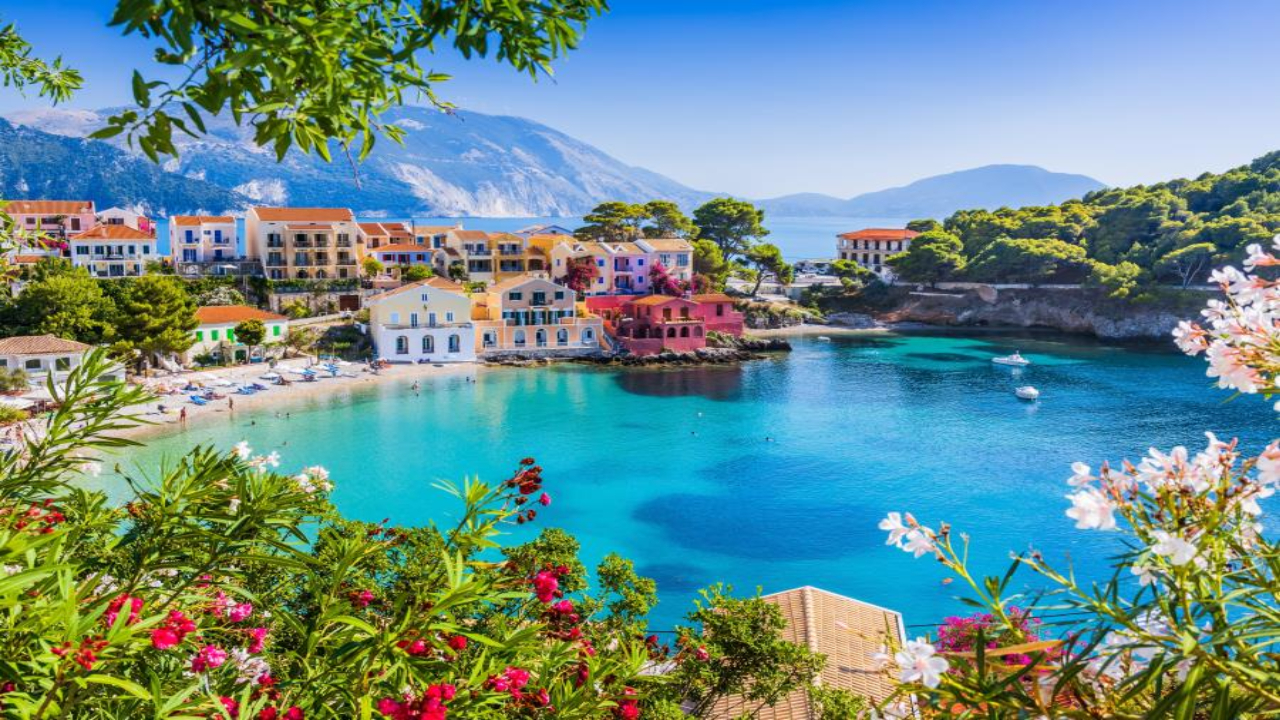
The northern village of Fiskardo is a jewel of a different kind. It was one of the only villages to survive the devastating earthquake of 1953, and as a result, it retains its original Venetian architecture, with pastel-colored houses clustered around a picture-perfect harbor. Fiskardo is the most upscale corner of the island, where luxury yachts bob next to little fishing boats, and the seafood is exceptional. In contrast, the mountain village of Assos, on a small peninsula connecting to a Venetian castle, is a sleepy, breathtakingly pretty hamlet of whitewashed houses and a small, pebbly bay that feels lost in time. And for the absolute best sunset on the island, head to the village of Lourdata, where you can enjoy a meal on a terrace overlooking the sea with the sun melting into the horizon.
The Underground Magic Melissani Cave and Drogarati Cave
Kefalonia’s wonders are not confined to its surface. The island is geologically porous, and its hidden interior holds two spectacular cave systems. Melissani Cave is a roofless lake cave where you board a small rowboat and are punted across water of an incredible, electric cerulean blue. The roof collapsed thousands of years ago, creating a circular opening to the sky. When the midday sun shines directly through this opening, the entire cave is illuminated, and the water seems to glow from within. The effect is magical, almost spiritual, and it’s a moment you will hold onto for a long time.
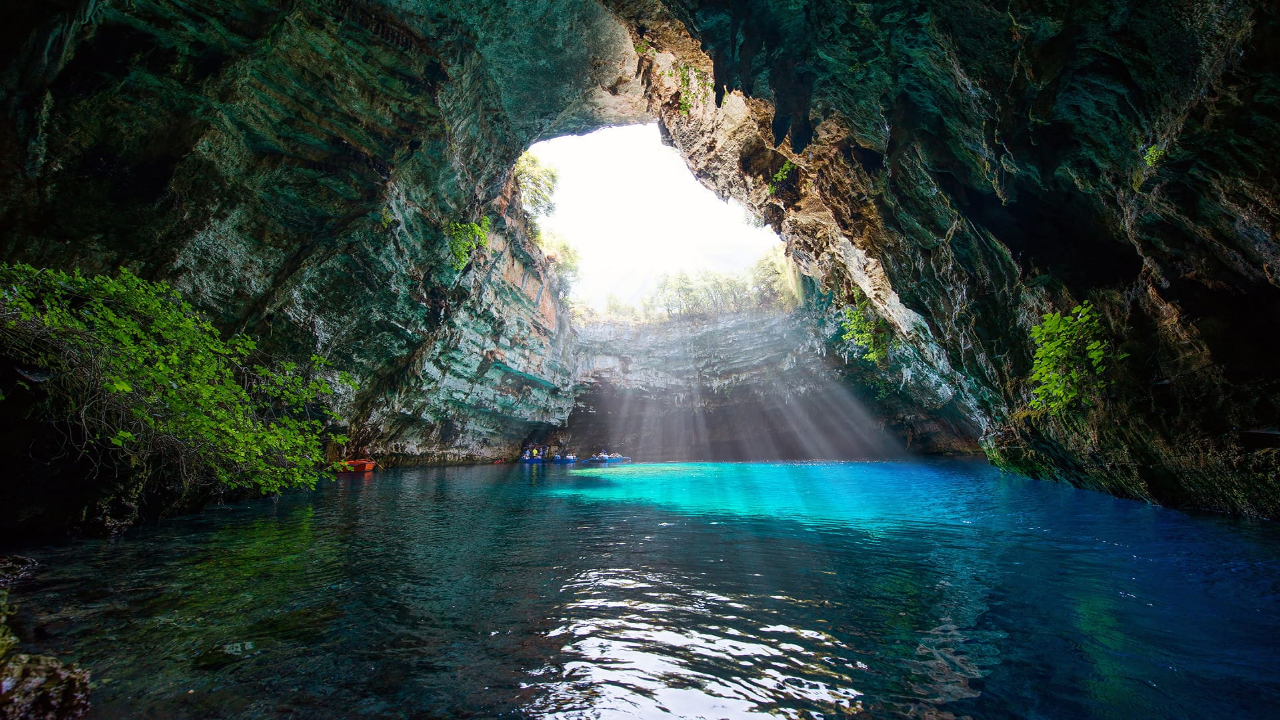
Just a few kilometers away, Drogarati Cave is a completely different experience. This is a deep, descending cavern more than 150 million years old, filled with dramatic stalactites and stalagmites. The main chamber is so vast and acoustically perfect that it is used as a concert hall on occasion. The constant temperature inside is a cool, refreshing escape from the summer heat.
The Flavors of Kefalonia Robola Wine, Meat Pie, and Fresh Catch
Kefalonia Greece Travel is a deeply edible journey. The island has a strong culinary identity that is distinct from the rest of Greece. The most famous dish is the Kefalonian Meat Pie, or kreatopita. It is a robust, hearty pie made with a mix of lamb, beef, pork, rice, and a unique spice blend, all encased in a perfectly flaky, golden pastry. It is not a snack; it is a meal. The island’s seafood is, as you would expect, outstanding. Grilled octopus, sardines, and locally caught red mullet are staples. For a true local experience, try aliada, a garlic and potato dip that pairs beautifully with fried cod.
Kefalonia is also a significant wine region. The Robola grape, grown on the rocky limestone slopes of Mount Ainos, produces a dry, crisp, and subtly mineral white wine that is world-class. A visit to a Robola winery, such as the Robola Cooperative near the Monastery of Agios Gerasimos, is a delightful afternoon activity. The island also produces excellent honey, thyme-scented and golden, and a distinctive hard yellow cheese.
Practical Kefalonia Greece Travel Tips Best Time to Go and Getting Around
The best time for Kefalonia Greece Travel is the shoulder season. May, June, and September offer the perfect balance of glorious sunshine, warm swimmable seas, and a landscape still lush from the winter rains, all without the intense crowds of July and August. The peak summer months of July and August are hot, busy, and more expensive, but the island never feels as frantic as the Cyclades. In October, the weather can still be beautiful, but some seasonal tavernas begin to close. A car is essential. Book your rental vehicle well in advance, especially for summer travel, as demand far outstrips supply. An international driving permit is required for non-EU license holders. And always carry some cash; while cards are widely accepted in larger towns, a small village taverna or a remote beach cantina may be cash-only.
Frequently Asked Questions (FAQ) About Kefalonia Greece Travel
Q1: Is Kefalonia suitable for families with young children?
Absolutely. Kefalonia is a wonderful island for families. The locals adore children, and the pace of life is gentle and unhurried. Beaches like Skala, with its soft sand and shallow, calm waters, are perfect for little ones. The boat ride in Melissani Cave will enchant children, and the sight of the giant sea turtles in Argostoli harbour is a memory they will treasure. Renting a villa with a pool gives you extra space and flexibility for nap times and home-cooked meals.
Q2: What is the driving like on the island? Is it difficult?
Driving on Kefalonia is an adventure in the best sense. The main roads are well-paved. However, the island is mountainous, and the roads are full of hairpin bends and dramatic, cliffside drops. The drives to Myrtos Beach, Fiskardo, and Assos are spectacular but require careful, confident driving. Rent a car with a powerful enough engine to handle steep hills. Always sound your horn gently on blind corners on narrow mountain roads, and take your time. The journey is part of the experience.
Q3: Can I visit the island of Ithaca from Kefalonia?
Yes, and it is highly recommended. The island of Ithaca, the mythical homeland of Odysseus, is a short 20 to 40-minute ferry ride from the port of Sami on Kefalonia’s east coast. Ithaca is smaller, greener, and even more profoundly peaceful than Kefalonia. A day trip is possible, but spending a night or two in the deep, protected harbour of Vathy is a magical add-on to your trip.
Q4: Are there many mosquitoes and insects?
Kefalonia, like most Mediterranean islands, has mosquitoes, particularly in the evenings during the warmer months. The island is greener than the Cyclades, which means more vegetation and more insect life. Pack a strong insect repellent, and you will be perfectly comfortable. Most accommodations provide plug-in repellent devices and window screens.
Q5: What is the famous earthquake history, and will it affect my trip?
In August 1953, a massive earthquake devastated Kefalonia, destroying almost all of its historic Venetian buildings. The island was rebuilt with a practical, modern aesthetic, which is why Fiskardo, which miraculously survived, feels so uniquely charming. This history means Kefalonia does not have the cobblestone maze villages of other Greek islands. However, this tragic event shaped the resilient, forward-looking character of the islanders. Modern buildings are constructed to strict seismic codes, and your trip will not be affected.
Q6: Is Kefalonia an expensive island to visit?
Kefalonia offers excellent value for money, particularly when compared to the Cycladic islands. Accommodation ranges from boutique villas to family-run studios at very reasonable prices. Food in a traditional taverna is fresh, generous, and not expensive. The biggest cost is your rental car, but the freedom it grants is absolutely worth the investment. You can enjoy a two-week holiday here without breaking the bank, eating and living well.