Ternate Island Travel The Ultimate Guide to North Maluku’s Spice-Scented Volcano Paradise
The air in Ternate smells different. It carries the salt of the deep Maluku Sea, the sweet fragrance of cloves drying in the sun by the roadside, and the faint, thrilling hint of volcanic smoke drifting from a perfectly cone-shaped mountain that dominates the sky. This is not Bali, with its trendy beach clubs, or Lombok, with its surf breaks. Ternate Island Travel is a journey into a deeper, quieter, and far more dramatic chapter of Indonesia. It is a tiny, round island, barely 12 kilometers across, that once dictated the course of global history because of the precious spice that grew nowhere else on earth: the clove. Today, Ternate offers travelers a hypnotic blend of raw natural power, rich Islamic sultanate history, and the genuine, unhurried warmth of a place that remains wonderfully untouched by mass tourism.
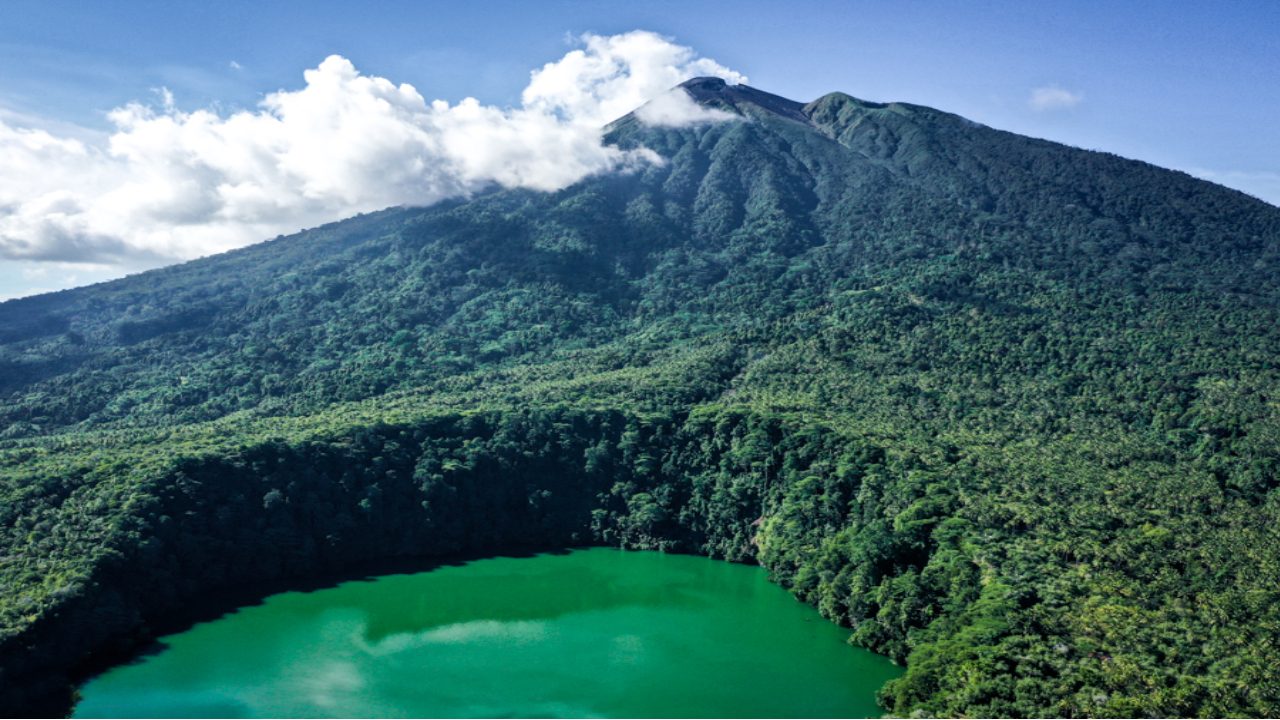
Rising directly from the deep blue sea in the northern province of North Maluku, Ternate is dominated by the majestic, active Gamalama Volcano, which stands at 1,715 meters and provides a stunning backdrop to every photograph. The island is ringed by a single coastal road that weaves through sleepy villages, past ancient stone forts built by colonial powers, and alongside black sand beaches where fishermen haul in their catch just as their grandfathers did. If you are searching for an off-the-beaten-path Indonesian adventure that combines trekking, history, and genuine cultural connection, Ternate Island Travel is calling your name.
A Living Museum The Spice Wars, Sultans, and Colonial Forts
To understand Ternate is to understand the clove. Before the age of exploration, cloves were worth their weight in gold, used for preserving food, masking smells, and treating toothaches. They grew exclusively on a handful of tiny volcanic islands in the Maluku Archipelago, and Ternate was the most powerful of them all. The Sultanate of Ternate reached its golden age in the 16th century, controlling the spice trade and commanding immense wealth and influence. When the Portuguese, Spanish, Dutch, and English arrived in turn, they found not a primitive backwater, but a sophisticated and fiercely proud kingdom.
This violent and fascinating history is written in stone across the entire island. A proper Ternate Island Travel itinerary must include a visit to the well-preserved Portuguese forts. Fort Tolukko, perched on a dramatic cliff edge with panoramic views of the sea and the neighboring island of Tidore, is the most photographed. Fort Kalamata, with its thick stone walls and rusting cannons, sits right by the water in a sleepy neighborhood. Fort Oranje, the largest fort in the city center, is a massive Dutch structure that now houses a friendly local community within its walls. Walking through these silent, mossy ramparts, you can almost hear the clash of swords and the shouting of traders.
The spiritual heart of the island is the Kedaton Sultan Ternate, the palace of the Sultan. Unlike a roped-off museum, this is a living, breathing royal compound. The current Sultan, the 48th in an unbroken line going back over 700 years, still lives and holds court here. You can visit the palace museum, which houses a stunning collection of royal heirlooms, jeweled kris, Portuguese armor, and a golden crown said to have magical properties. The guides speak with deep pride of their unbroken lineage, and a visit here is a powerful reminder that Ternate’s royal history is not just a story in a textbook.
The Call of the Peak Climbing Gamalama Volcano
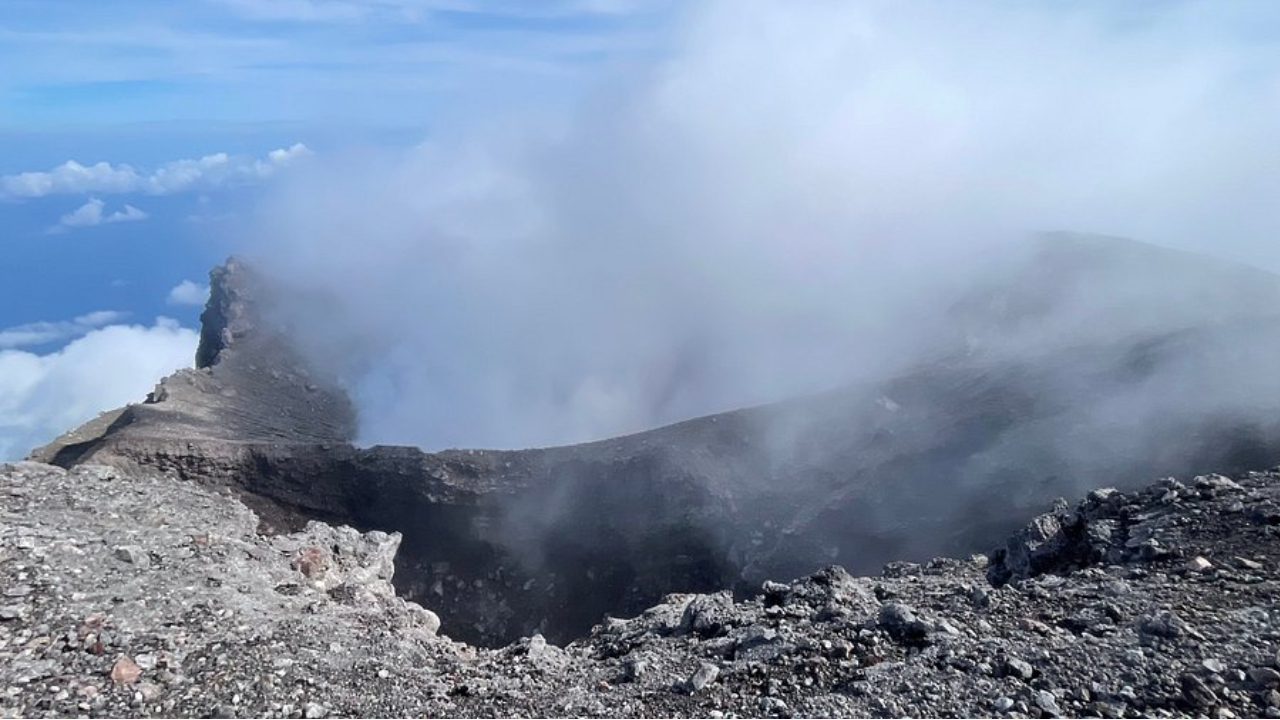
For adventurous souls, the absolute highlight of Ternate Island Travel is the trek to the summit of Mount Gamalama. This is not a casual stroll; it is a serious, challenging, and deeply rewarding overnight expedition on an active volcano that last erupted in 2018. You do not need to be a technical mountaineer, but you do need a sturdy pair of boots, strong legs, and a spirit of determination.
The trek typically begins in the late evening, around midnight, from a trailhead in the village of Marikurubu. You hike through dense jungle, the beam of your headlamp illuminating twisted roots and giant ferns. As you gain altitude, the air cools, and the vegetation transitions to sub-alpine shrubs. The final push is over loose volcanic scree and rock, a steep, dusty grind that has you on all fours in sections. Arriving at the crater rim just as the sun rises is an experience that borders on the spiritual. Far below you, the entire island of Ternate reveals itself as a perfect circle of green set in a vast, shimmering blue sea. The smoking crater itself glows a faint orange, and the smell of sulphur hangs in the air. You can see the perfect cone of Tidore Island to the south and the distant peaks of Halmahera to the east. The descent is a knee-battering slide down the scree, but the memory of that dawn panorama makes every ache worthwhile. You must hire a local guide, both for safety and to support the community.
Natural Wonders Lakes, Beaches, and Panoramic Views
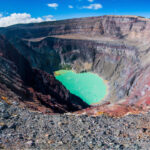
Beyond the volcano, Ternate’s natural beauty is compact and easily explored. Lake Tolire, an emerald-green crater lake at the foot of Gamalama, is a place of quiet beauty and dark local legend. The water is impossibly still, and the surrounding cliffs are draped in greenery. You can’t swim here, but the view from the road above is stunning, and locals will tell you stories of a vanished village and giant, mysterious fish.
For a perfect sunset, head to Ngade Lake, a peaceful body of water where you can rent a little paddle boat and drift on the glassy surface as the sky turns pink. For a classic tropical island moment, Sulamadaha Beach offers a crescent of black volcanic sand with crystal-clear, calm water perfect for a refreshing swim. The beach has simple wooden piers and small cafes selling grilled fish and fresh coconut. The water is so clear you can see the sandy bottom and the lava rocks below.
A hidden gem for panoramic views is the Tulukko Viewpoint. A short, steep drive or motorbike ride up a residential road leads to a hillside plateau overlooking Fort Tolukko and the stunning Tidore Island chain. This is a magnificent spot for a sunrise, as the sun rises right behind the perfectly shaped volcano of Tidore.
The Flavors of Ternate A Taste of the Spice Islands
Ternate Island Travel is a feast for the taste buds. The local cuisine is a unique fusion of Malay, Arab, and Portuguese influences, all heavily spiced with the products that made this island famous. The must-try dish is gohu ikan, the Ternate version of ceviche. Fresh raw tuna or skipjack is chopped and then marinated in a zesty, spicy blend of lime, chilies, shallots, and basil. It is explosive, fresh, and completely addictive.
Seafood is, naturally, everywhere. Grilled fish with colo-colo, a potent local salsa of chilies, tomatoes, and shallots, is a simple but perfect meal. Papeda, a thick, gluey sago starch eaten with a yellow turmeric fish soup, is the staple carbohydrate and an acquired but memorable texture. In the evening, the area around the night market and the waterfront in Ternate City comes alive with stalls selling satay, fried bananas, and sweet, sticky snacks. The taste of cloves is subtly present in hot drinks and some sweets, a gentle reminder of the island’s fragrant soul.
Practical Ternate Island Travel Guide Getting There, Moving Around, and Staying
Getting to Ternate is surprisingly easy by air. Sultan Babullah Airport is served by direct flights from Jakarta, Makassar, and Manado. A flight from Jakarta is about 3.5 hours. The airport is located right on the island, just a 15-minute drive from the city center. For a more romantic arrival, you can take a Pelni passenger ferry, but it is a long, multi-day journey best suited for travelers with lots of time.
Once on the island, the best way to explore is by renting a motorbike. The road that circles the island is in good condition, and it’s possible to circumnavigate the entire island in about two hours. Traffic is light, and the views are spectacular. For those who don’t ride, bentor (becak motor), the local rickshaw attached to a motorbike, is a cheap, fun, and readily available way to get around town and to nearby sights.
Accommodation ranges from simple guesthouses in the city center to a few comfortable mid-range hotels with sea views. The Royal’s Resto and Function Hall is a popular choice with a good restaurant attached. For a more resort-like experience, the Syahzan Inn on the coast offers clean rooms with a beautiful sunrise view over Halmahera.
Frequently Asked Questions (FAQ) About Ternate Island Travel
Q1: Is Ternate safe to visit, given it has an active volcano?
Yes, Ternate is very safe for travelers. Mount Gamalama is an active volcano, and it does have periodic, usually small, eruptions. The Indonesian Center for Volcanology and Geological Hazard Mitigation monitors it closely. When activity levels rise, a restricted zone is established around the crater, and trekking is temporarily closed. Your guide and hotel will have current information. The last major, destructive eruption was in 1775. The chances of a catastrophic eruption during your short visit are vanishingly small.
Q2: How many days do I need for a trip to Ternate?
Three full days is the ideal length for a Ternate Island Travel experience. This allows one day for the overnight Gamalama summit trek, one day for recovery and exploring the city’s forts and the Sultan’s Palace, and one day for circumnavigating the island by motorbike, visiting the lakes and beaches, and enjoying the local food scene. If you are short on time, the island’s key sights can be seen in two very full days, but you would have to skip the volcano climb.
Q3: Can I visit the nearby island of Tidore on a day trip?
Absolutely, and it is highly recommended. Tidore, Ternate’s historic twin and rival, is just a 10-minute speedboat ride from the Bastiong port. The island is quieter, even more off the beaten track, and has its own beautiful volcano, a stunning Sultan’s Memorial museum, and lovely, empty beaches. A day trip to Tidore perfectly complements Ternate Island Travel, giving you a complete picture of the ancient spice sultanates.
Q4: Is Ternate a conservative place? What should I wear?
Ternate is a predominantly Muslim island, and the population is conservative but very relaxed and welcoming towards respectful tourists. In the city and villages, both men and women should dress modestly, covering shoulders and knees. Loose, lightweight long pants and long-sleeved shirts are perfect. At the black sand beaches like Sulamadaha, wearing a swimsuit is acceptable, but a simple cover-up when not in the water is appreciated. The Sultan’s Palace requires particularly respectful dress.
Q5: Do people speak English in Ternate?
English is not widely spoken. In your hotel, someone will speak enough for check-in. Your volcano guide will know basic trekking English. But in markets, restaurants, and on the street, you will need a smile, hand gestures, and a few Indonesian phrases. Learning “terima kasih” (thank you), “berapa harganya” (how much), and “enak” (delicious) will go a long way. Downloading an offline translation app is a smart move.
Q6: What is the best time to travel to Ternate?
The best time for Ternate Island Travel is the dry season, from March to May and October to December. During these windows, the skies are clearer for the volcano views, and the sea is calm. The peak of the dry season, July to September, can be slightly rainier in North Maluku than in southern Indonesia. The heavy wet season from January to February brings persistent rain that makes the volcano climb dangerously slippery and obscures the mountain views. Plan your trip outside those wettest months for the best experience.