Coron Palawan Travel Guide Your Ultimate Handbook to a Limestone Paradise
The first time you see Coron, you will probably be standing on the deck of a small outrigger boat, salty wind in your hair, squinting against the fierce tropical sun. Around you, the ocean is a shade of turquoise so bright it looks almost fake. Jutting out of the water in every direction are colossal limestone cliffs, their dark grey faces draped in a tangle of emerald jungle. It feels like sailing through a giant’s sculpture garden, or drifting into a forgotten world where dinosaurs might still roam. This is Coron, Palawan, a place that routinely tops lists of the most beautiful islands on earth, and yet somehow, it remains raw, relaxed, and wonderfully unpolished.
Coron is not one place, but two. The town proper, Coron Town, sits on the southern coast of Busuanga Island. It is a bustling, dusty, working Filipino town where tricycles weave through the streets and roosters crow at dawn. Then there is Coron Island itself, a short boat ride away, which is the uninhabited ancestral domain of the indigenous Tagbanua people. The town is your base for logistics, hot showers, and cold beer. The island is where the magic happens. This travel guide will walk you through everything you need to know to plan an unforgettable trip to this corner of paradise.
How to Get to Coron Town
Reaching Coron is an adventure in itself, but it is easier than you might think. The quickest and most common way is to fly directly from Manila or Clark to Francisco B. Reyes Airport, more commonly called Busuanga Airport. The flight takes about an hour. When you step off the plane, you are greeted by a tiny, open-air terminal surrounded by green hills. The airport is about a thirty-minute van ride from Coron Town proper. Shared van transfers are waiting outside the airport for a fixed, affordable price. Just tell the driver your hotel name, and they will drop you at the door.
For the truly intrepid traveler, you can also reach Coron by ferry from Manila. This is a much longer journey, typically around twelve to fourteen hours, but it is a budget-friendly option and a classic Filipino experience. The 2GO Travel ferries are large and comfortable enough, with bunks and a cafeteria. This route saves you a night’s accommodation and allows you to arrive in Coron at sunrise, which is a beautiful way to start your trip.
The Best Time to Visit Coron, Palawan
The dry season, which runs from November to May, is hands down the best time to visit Coron. During these months, the skies are a piercing blue, the seas are calm and crystal clear, and the chances of a typhoon disrupting your boat tours are very low. The peak months for tourists are December, January, and Holy Week before Easter, when the town gets noticeably busier and prices can rise.
The shoulder months of November and May offer a sweet spot: mostly beautiful weather with fewer crowds. The rainy season runs from June to October. While you can still travel during this time and you’ll often get sunny mornings, the afternoons can bring heavy, monsoon downpours. Boat tours may be cancelled or rerouted for safety, and visibility for snorkeling and diving can drop. If you dream of that perfect postcard view of crystal-clear lagoons, book your trip in the dry season.
The Unmissable Coron Island Tour Kayangan Lake and Twin Lagoon
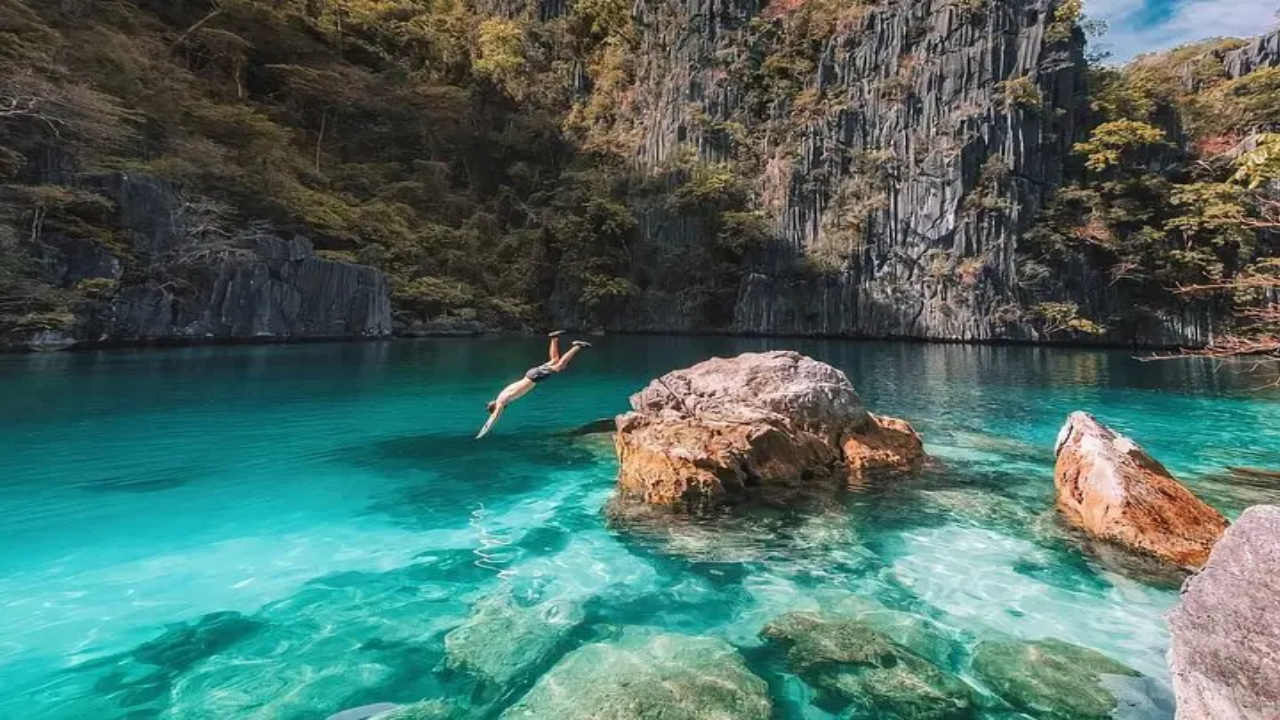
If you only have one day in Coron, there is one tour you simply cannot miss. It is often called the Coron Island Ultimate Tour or Tour A. This is the classic day trip that takes you to the very heart of the limestone karst landscape that has made Coron famous.
The highlight of this tour, and the most photographed spot in all of Coron, is Kayangan Lake. You climb a steep but manageable set of concrete stairs up a cliffside to reach a viewpoint where you look down on a tiny cove of impossibly blue water framed by limestone peaks. This is the photo everyone takes. But the real magic is what comes next. You descend the other side of the cliff to reach the lake itself. Kayangan Lake is a mix of saltwater and freshwater, and it is startlingly clear. You can swim off the wooden walkway, and looking down, you see the limestone rock formations plunging deep into the darkness below you. The water is cool, refreshing, and feels like swimming in liquid silk.
Right after Kayangan, the tour takes you to the Twin Lagoon, another geological wonder. Two pools of emerald water are separated by a dramatic limestone wall. During high tide, you can swim or kayak through a small opening in the rock to reach the hidden inner lagoon. During low tide, you have to climb a wooden ladder over the rock, which is an adventure in itself. The inner lagoon is silent, warm, and feels like your own private swimming hole, surrounded on all sides by towering cliffs.
The tour usually includes stops at other stunning spots like Barracuda Lake, a deep, thermocline lake where the water temperature shifts dramatically, and Siete Pecados, a marine sanctuary with vibrant coral gardens teeming with fish.
Island Hopping Beyond the Postcard Malcapuya, Banana, and Bulog Dos
While the Coron Island tour is all about dramatic cliffs and lakes, the island-hopping tours to the west of Busuanga are all about the beaches. These tours, often called the Island Escapade Tour or Tour C, are a full-day adventure that takes you further out to sea to a chain of small, powdery sand islands.
Malcapuya Island is the star of this trip. It is a long, curved strip of blindingly white sand with gently swaying coconut palms. The water is shallow, clear, and the most perfect shade of swimming pool blue. You can wade out for dozens of meters, and the water barely reaches your waist. Nearby, Banana Island and Bulog Dos Island are smaller, equally beautiful, and often less crowded. These islands are the definition of the tropical getaway you have been dreaming about. You spread out your towel, crack open a fresh coconut, and let the hours melt away. The boat crew will grill fresh fish, pork, and eggplant for lunch right on the beach, and eating with your feet in the sand, looking out at this endless blue, is a moment of pure, simple happiness.
Shipwreck Diving World War II History Beneath the Waves
Coron is not just a paradise above the surface; it is one of the best wreck diving destinations in the world. On September 24, 1944, a daring US Navy air raid sank a fleet of Japanese supply ships that were hiding around Coron Island. Today, twelve well-preserved shipwrecks rest on the ocean floor, from just a few meters below the surface down to depths for technical divers.
The best part? You do not need to be a certified scuba diver to experience this history. Several of the wrecks, such as the famous Skeleton Wreck, lie in very shallow, clear water and are accessible to snorkelers. As you float on the surface with your mask and snorkel, a giant, encrusted ship skeleton slowly materializes beneath you. The frame is now completely covered in hard and soft corals, and schools of batfish, lionfish, and damselfish weave through the rusting portholes and engine rooms. It is an eerie, beautiful, and deeply moving experience to see nature reclaiming the machinery of war. For certified divers, wrecks like the Irako and the Akitsushima are world-class dives, with the opportunity to penetrate cargo holds, swim over anti-aircraft guns, and explore the engine rooms of these sunken giants.
Chasing Sunsets and Climbing Mount Tapyas
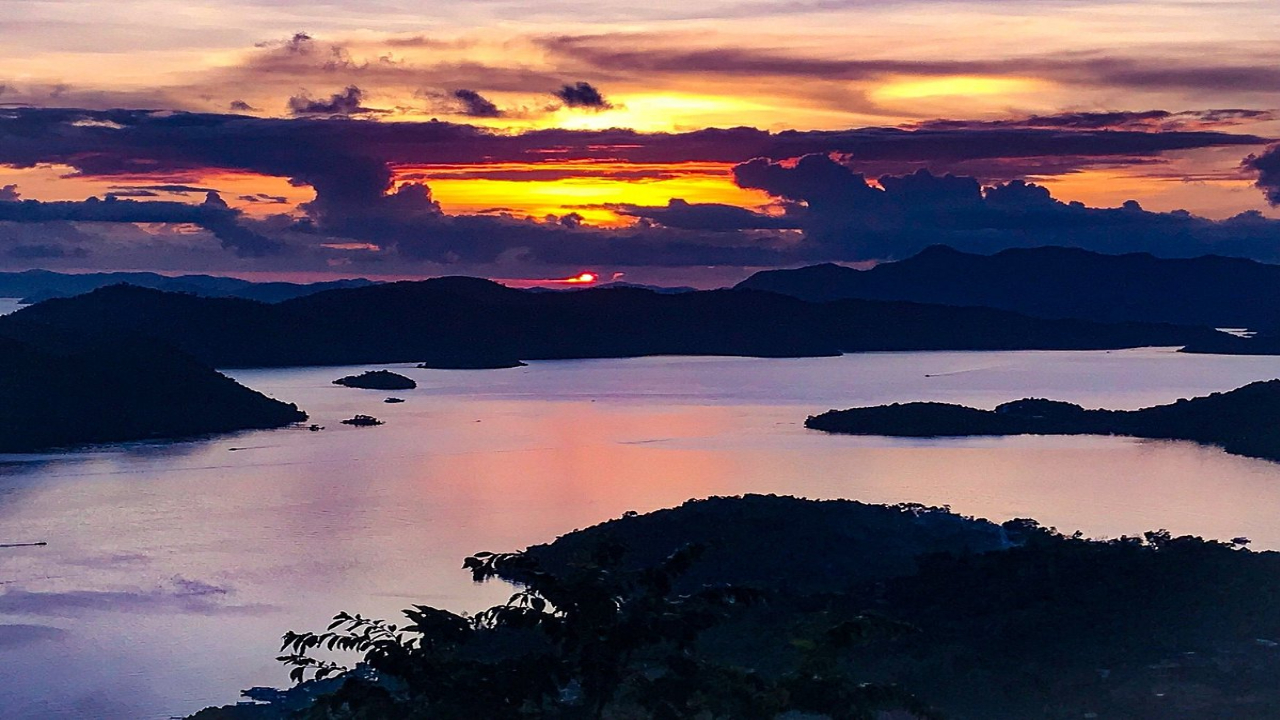
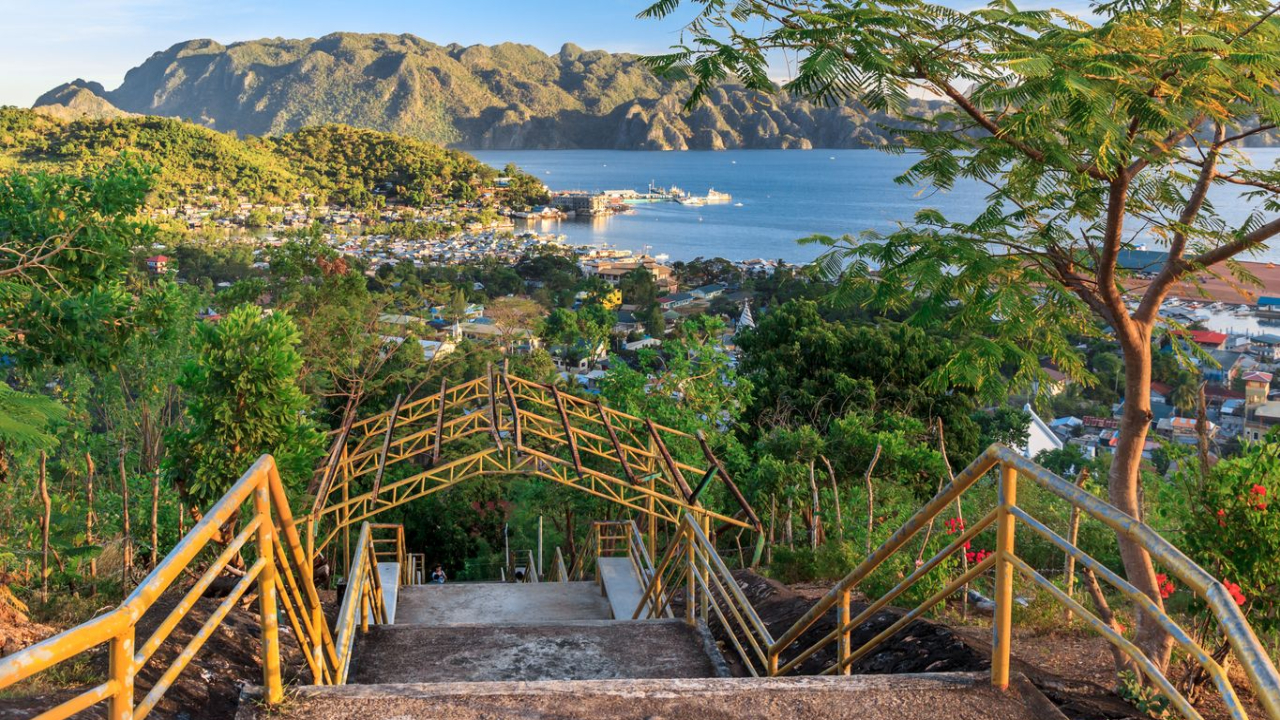
Back in Coron Town, there is one activity that everyone does at least once: climbing Mount Tapyas. The mountain looms directly over the town, and its summit is reached by exactly 721 concrete steps. The climb is hot and sweaty, and your legs will feel the burn, but the entire town makes the pilgrimage every evening, and for good reason.
The best strategy is to start your climb about forty-five minutes before sunset. Take your time, bring water, and stop at the benches along the way to catch your breath. When you reach the top, the giant cross stands illuminated against the sky, and a 360-degree panoramic view opens up. You can see the whole of Coron Town, the harbor dotted with boats, the scattered islands of the bay, and the sun as it slowly drops behind the distant ocean, painting the sky in shades of orange, pink, and deep purple. It is a communal, cheerful atmosphere, and the walk back down in the fading light, with the town lights beginning to twinkle, is the perfect end to the day.
What to Eat Fresh Seafood and Local Flavors
Eating in Coron is a highlight in its own right. The town’s waterfront is lined with simple, open-air restaurants that serve the freshest seafood you can imagine. A must-try is the local specialty, a dish called lato, which is a type of seaweed that looks like tiny green grapes. It pops delightfully in your mouth with a salty, oceanic burst and is served as a simple salad with vinegar and tomatoes. Grilled squid stuffed with onions, chili, and tomatoes, buttery garlic prawns, and whole lapu-lapu fish cooked to perfection are standard fare. For the ultimate Coron dining experience, go to the public market in the morning, pick out your own fresh fish, crabs, and prawns, and take them to a nearby restaurant where they will cook everything for you for a small fee. It is the freshest, most affordable seafood feast you will ever have.
Where to Stay From Budget Guesthouses to Island Resorts
Coron offers accommodation for every type of traveler. Most budget guesthouses and backpacker hostels are clustered within walking distance of the main town center. A simple room with a fan and a private bathroom can be found for a very reasonable price. If you prefer a bit more comfort, there are numerous mid-range hotels with air conditioning, swimming pools, and rooftop bars overlooking the bay.
For those who want to wake up right on the water, there is a growing collection of island resorts and eco-lodges scattered around the nearby islands. These offer overwater bungalows and private beaches but require a boat transfer every time you want to come to town. Staying in town is more convenient for dining and tours, while an island resort is perfect for a few days of pure, secluded relaxation at the end of your trip.
Practical Tips for a Smooth Coron Trip
Cash is king in Coron. There are ATMs in town, but they are notoriously unreliable and frequently run out of cash, especially on weekends. Bring enough Philippine pesos with you from Manila or from your home country to cover your entire stay. The internet in Coron is famously slow, and mobile data signal can be very weak. Look at this as a gift. Download your maps, playlists, and any important documents before you arrive, and then put your phone away. The best sunscreen is reef-safe sunscreen, as the corals around Coron are precious and fragile. Respect the environment by never touching the coral, not littering, and supporting tour operators who follow sustainable practices. The Tagbanua people who own Coron Island charge a small environmental fee to help protect their ancestral lands, and paying it with a smile is part of being a responsible visitor.
Frequently Asked Questions (FAQ) About Coron, Palawan
Q1: Is Coron safe for tourists?
Yes, Coron is very safe for tourists. The local people are famously warm, friendly, and honest. Petty crime like pickpocketing is rare, but it is always wise to take normal travel precautions. Keep your valuables in a dry bag on boat tours, lock your hotel room, and avoid walking alone down very dark, deserted streets late at night. The biggest dangers in Coron are natural ones, like sunburn, dehydration, and slipping on wet boat decks.
Q2: How many days do I need in Coron?
Three to four full days is the ideal amount of time to experience Coron without feeling rushed. This allows one day for the classic Coron Island Tour to Kayangan Lake and Twin Lagoon, one day for an island-hopping beach tour to Malcapuya, one day for snorkeling or diving the shipwrecks, and an evening to climb Mount Tapyas and enjoy a seafood dinner. If you are a certified diver wanting to do multiple days of wreck diving, you should plan for at least five days.
Q3: Can I drink the tap water in Coron?
No, you cannot drink the tap water in Coron, and you should also avoid ice in drinks from street stalls unless you are sure it’s made from purified water. Bottled water is cheap and available everywhere. Most restaurants and hotels use purified water for their ice and drinking water. Stick to sealed bottled water or bring your own water purification system like a filter bottle or tablets to reduce plastic waste.
Q4: What is the difference between Coron and El Nido?
This is the biggest question travelers to Palawan ask. Coron is centered around dramatic limestone cliffs, lakes, lagoons, and world-class wreck diving. The water is generally calmer and the landscape more rugged and geologically dramatic. El Nido, on the other hand, is known for its towering limestone karsts, secret lagoons, and larger, more expansive island-hopping tours with stunning white sand beaches like Nacpan. Coron has a more laid-back, small-town feel, while El Nido has a slightly more established party and restaurant scene. Both are breathtaking, and many travelers choose to do both by taking the expedition ferry that connects them in about four hours.
Q5: Is it worth bringing kids to Coron?
Yes, Coron can be a wonderful family destination, but it is better suited for children who are comfortable in the water and can handle a long day on a boat. The swim at Kayangan Lake is generally calm and suitable for strong swimming kids. The beach tours to Malcapuya and Banana Island are perfect for children because of the shallow, crystal-clear water and soft sand. The main challenge is the heat, the sun, and the lack of shade on the boats, so be meticulous about sun protection, bring plenty of snacks, and choose private tours over large group tours so you have full control over the pace and itinerary.