Nusa Penida Island Bali Hidden Paradise
Just a forty-five-minute speedboat ride from the bustling shores of mainland Bali lies an island that feels like it belongs to another world. It is a place where the soundtrack of beach clubs and traffic jams fades away completely, replaced by the crashing of enormous waves against towering limestone cliffs and the whisper of wind through wild green jungle. This place is Nusa Penida Island in Bali, and it is the antidote to the overly commercialized, filtered version of paradise that has become so common elsewhere. It is raw, rugged, heart-stoppingly beautiful, and it demands to be explored not from behind a phone screen, but with your own two feet, a sense of adventure, and a healthy dose of respect for nature’s power.
For a long time, Nusa Penida was a secret whispered among surfers and intrepid backpackers. It was considered a day-trip destination, a place you visited for a few hours to snap a photo at a famous cliff and then hurried back to the comfort of your hotel in Seminyak or Ubud. But to treat Penida as a quick checkbox is to miss its soul entirely. This island, the largest of the three Nusa Islands, deserves at least two or three days of your time. It is an island of dizzying highs and deep, silent lows, of bone-white sand beaches and punishing dirt roads, of sacred temples and underwater giants. If you are looking for a Bali experience that feels like a true exploration, not just a vacation, Nusa Penida is calling.
The Unforgettable Landscape Cliffs, Coves, and Carved Coastlines
The moment you step off the boat at the bustling port, you realize Nusa Penida is different. The landscape is not the gentle, terraced rice paddies of central Bali. It is harsher, drier, and more dramatic. The coastline is the undisputed star of the show. Millions of years of volcanic activity and relentless ocean erosion have sculpted a shoreline that looks like a dragon’s back, with jagged limestone cliffs plunging hundreds of feet into the impossibly turquoise Indian Ocean.
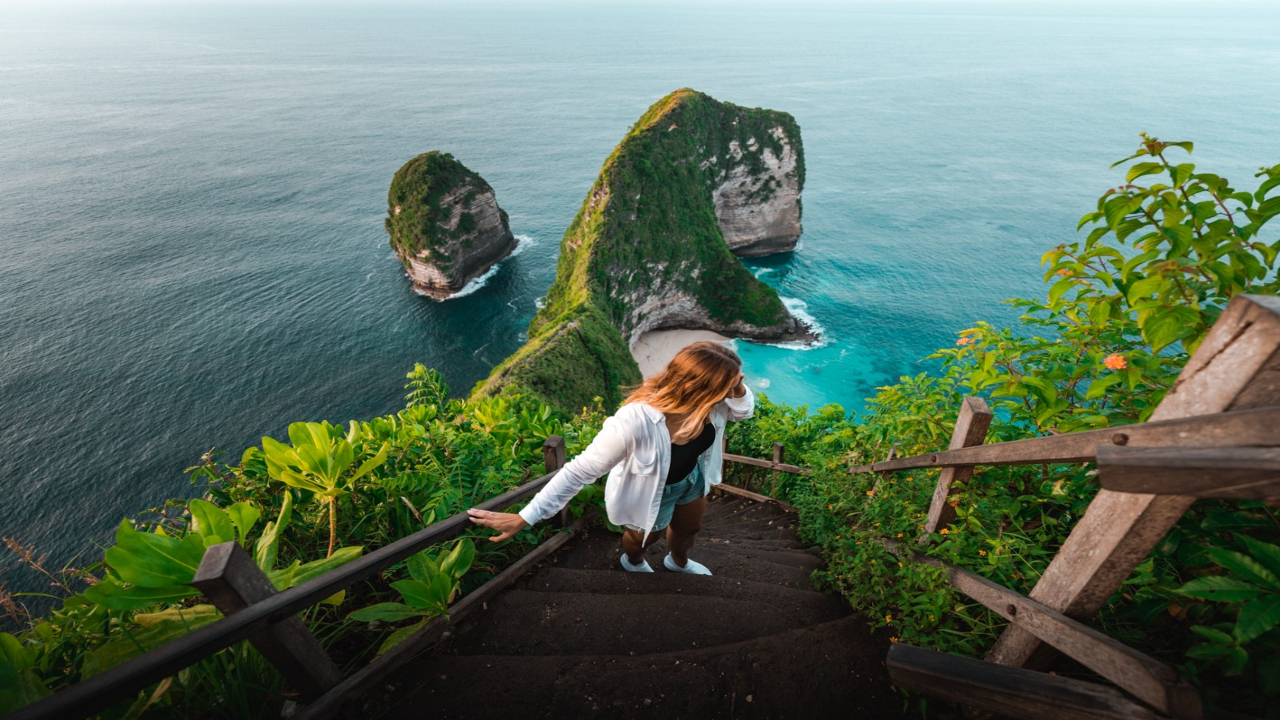
The most famous of these natural sculptures is Kelingking Beach. If you have ever seen a photo of Nusa Penida, it was almost certainly of Kelingking. The rock formation jutting out into the sea is famously said to resemble the spine and jawbone of a Tyrannosaurus Rex. Standing at the top of the cliff, looking down the snout of this natural giant, is an experience that makes your stomach drop and your heart soar at the same time. The view from the top is easily accessible, but the real adventure lies in the descent. A narrow, treacherous path of bamboo sticks and dirt stairs clings to the cliffside, leading down to a pristine, powdery white sand beach guarded by crashing waves. The climb down is not for the faint of heart, and the climb back up in the tropical heat is a serious physical test, but floating in the turquoise water at the bottom, in the jaw of the dragon, is a reward you will remember forever.
Just a short drive away is Angel’s Billabong, a stunning natural infinity pool carved into the volcanic rock right at the ocean’s edge. During low tide, the rock pool fills with crystal-clear emerald water, and you can carefully wade in and look out over the endless ocean. Just next to it is Broken Beach, a spectacular natural archway that wraps around a circular bay. The ocean crashes in through a gap in the rock, filling a natural amphitheater of water. You can’t swim here, but walking around the rim of the collapsed cave, feeling the ocean spray on your face and hearing the deep boom of water against the rock walls, is a lesson in the raw, creative power of nature.
The Unseen World Below Snorkeling with Gentle Giants
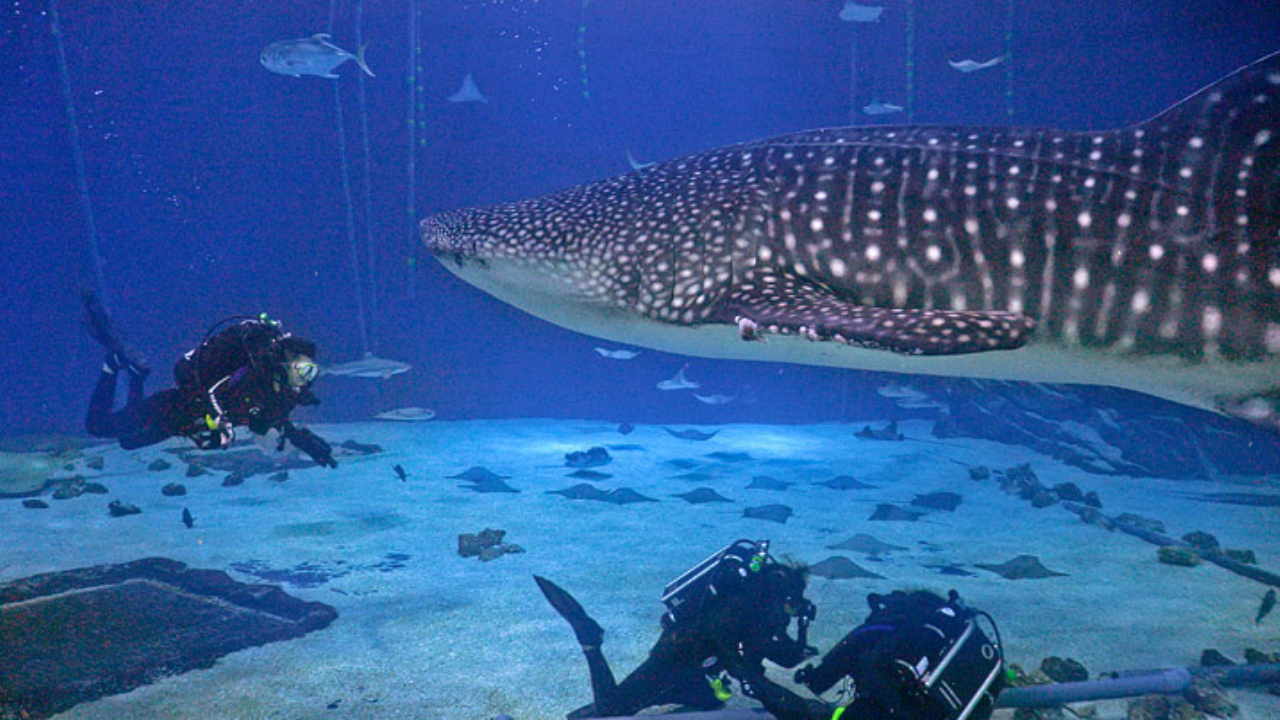
While the cliffs are what draw most people to Nusa Penida, the underwater world is what makes them stay. The cold, nutrient-rich currents that sweep through the channels between the islands attract some of the most magnificent marine life on the planet. Penida is one of the few places on Earth where you have a very high chance of swimming alongside the majestic Manta Ray.
Manta Point is a cleaning station for these gentle ocean giants. Here, you put on your mask and fins, slide off the edge of a small local boat, and peer down into the deep blue. At first, you see nothing but the endless column of water. Then, a shadow emerges from the gloom, gliding with an elegance that should be impossible for a creature so large. A manta ray, with a wingspan wider than you are tall, soars right beneath you, its mouth open to filter plankton as tiny cleaner fish dart around its body. It is a moment of pure, silent awe that makes you feel beautifully small and deeply connected to the planet.
For those seeking a different kind of thrill, Crystal Bay on the west coast offers world-class snorkeling in calmer, warmer waters. The bay is a protected cove with a soft sandy entry and water so clear it feels like swimming in a glass of water. Just a short swim from the beach, the coral gardens explode with life. Bright orange clownfish peek out from swaying anemones, parrotfish crunch on coral with their beak-like teeth, and if you are exceptionally lucky, you might catch a glimpse of the rare and elusive Mola Mola, or ocean sunfish, which visits the deeper waters around Penida during the colder months.
Discovering the Temples and the Soul of the Island
Nusa Penida is not just a geological wonder; it is a deeply spiritual place. The island is home to thousands of Hindu temples, but the most famous is Pura Goa Giri Putri. This is not a temple you simply walk up to; it is a temple you crawl into. The entrance is a small hole in the rock face, and you must squeeze and shimmy through a narrow passage to enter the vast cave inside. This physical act of humility before entering the sacred space is intentional. Once inside, the cave opens into a colossal chamber filled with local worshippers in traditional white attire, the scent of incense, and the sound of distant chants. The atmosphere is cool, damp, and thick with centuries of devotion. It is a powerful reminder that Penida is not just a playground for tourists, but a living, breathing home with a profound spiritual core.
The Realities of the Road: What You Need to Know
To find paradise, you have to earn it, and on Nusa Penida, you earn it on the roads. The infrastructure on the island is still catching up to its popularity. The main roads are paved, but the final stretches leading to almost every major attraction are rough, rocky, unpaved tracks that can rattle your bones. A regular scooter will struggle dangerously; you need to rent a sturdy motorbike with good brakes, and you must be a confident and experienced driver. Alternatively, hiring a local private driver for the day is an affordable and stress-free way to get around. They know the roads, the best photo spots, and the safest times to visit. There is no shame in choosing comfort and safety over the challenge of navigating yourself.
Practical Tips for the Perfect Penida Adventure
Credite www.youtube.com/@tworoamingsouls
The best time to visit Nusa Penida Island in Bali is during the dry season, from April to October, when the seas are calm for the boat crossing and the coastal viewpoints are clear and sunny. Pack light, breathable clothing, but bring a sturdy pair of sneakers or hiking sandals. Flip-flops are a disaster on the rocky, dusty paths. Bring a reusable water bottle, reef-safe sunscreen, and a sense of patience. The island operates on “island time,” and things move slowly. Power outages can happen, and the Wi-Fi can be spotty. Embrace the digital detox.
FAQ About Nusa Penida Island in Bali
Q1: Can you do Nusa Penida as a day trip, or should you stay overnight?
You can do a day trip, and many people do, but it is an exhausting and very limited experience. The first boat from Bali departs around 7:00 AM, and the last boat back from Penida leaves around 4:30 PM. This gives you only six or seven hours on the island, and the travel time between the main sights like Kelingking and Crystal Bay can take over an hour each way on rough roads. You will be rushed, you will be hot, and you will miss the magical golden hour light and the quiet serenity that settles over the island once the day-trippers leave. Staying at least one or two nights is highly recommended. This allows you to visit the famous spots early in the morning before the crowds arrive from the mainland, and you can explore the island’s interior and hidden beaches at a relaxed pace.
Q2: How dangerous is the boat crossing from Bali to Nusa Penida?
The safety of the fast boat crossing is a common concern, and it’s good to be informed. During the dry season months of April to October, the sea is generally calm, and the crossing is a smooth, pleasant ride. During the wet season, from November to March, the waves can be much larger, and the journey can be very rough and bumpy. It is crucial to only travel with a reputable, safety-conscious boat operator that provides life jackets and doesn’t overload the vessel. Always check the weather forecast, and if the sea looks dangerously rough, do not hesitate to postpone your trip. The ocean here is powerful and demands respect. Avoid the very cheapest operators whose boats may not be well-maintained.
Q3: Is Nusa Penida safe for children and elderly family members?
Nusa Penida is not the most naturally accessible destination. Many of the main attractions, like the Kelingking Beach descent and the cave entrance at Giri Putri temple, require a good level of physical fitness, balance, and mobility. The paths are often steep, uneven, and without safety railings. However, this does not mean families cannot enjoy the island. The viewpoints at Kelingking and Broken Beach can be enjoyed from flat, safe ground without needing to climb down. Crystal Bay offers a gentle beach entry and calm waters for swimming and snorkeling that are suitable for children. For elderly visitors or those with mobility issues, the key is to hire a private car and driver and to choose activities carefully, enjoying the stunning views from the top without attempting any strenuous descents.
Q4: What is the local culture like, and what should I be mindful of?
Nusa Penida is a deeply traditional Balinese Hindu island. The people are incredibly warm and welcoming, but it is essential to be a respectful guest. This is not a party island. The dress code, especially when visiting temples, is important. You must cover your shoulders and knees, and a sarong and sash are required to enter any temple. You can usually rent these at the entrance to major temples for a small donation. Always ask for permission before photographing locals or ceremonies. If you see a small offering, called a canang sari, placed on the ground in a tiny palm leaf tray, be careful not to step on it. These offerings are sacred. A smile and a simple “suksma” (thank you in Balinese) go a very long way in showing your respect and appreciation for the local culture that makes the island so special.
Q5: Are there ATMs and good internet on Nusa Penida?
While the island is developing quickly, infrastructure is still limited. ATMs do exist, concentrated near the main port area, but they are notoriously unreliable and frequently run out of cash. It is a critical rule of thumb to bring more than enough Indonesian Rupiah in cash from the mainland before you get on the boat. Do not rely on being able to pay by card, as many small restaurants, guesthouses, and local drivers only accept cash. As for internet, data signal can be strong in the main towns and near the port but often disappears completely at the famous cliff viewpoints and on the more remote beaches. Download offline maps and any important information to your phone before you head out for the day. Guesthouses often have Wi-Fi, but it can be slow, so treating your time on Penida as a chance to disconnect is the best mindset to have.