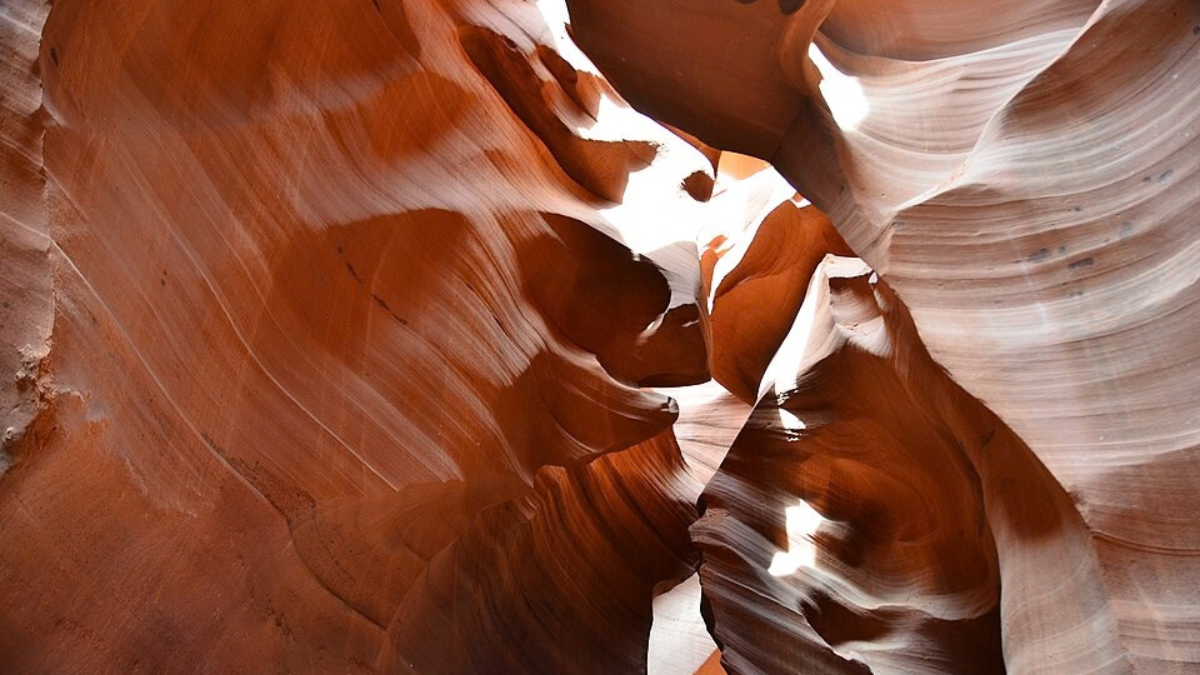
Arizona has some of the most dramatic slot canyons in the American Southwest. Narrow sandstone corridors twist beneath the desert, reflected light turns the walls orange and red, and in some places the rock closes in until only a thin ribbon of sky remains overhead.
The area around Page contains the greatest concentration of famous Arizona slot canyons, including Upper and Lower Antelope Canyon, Canyon X, Waterholes Canyon and several quieter Navajo-guided alternatives. Farther west, Buckskin Gulch and Cathedral Wash offer a much more independent wilderness experience.
This guide covers 15 of the best Arizona slot canyons, from easy guided walks to demanding desert hikes. It explains which canyons require Navajo guides, which need permits, which are suitable for families, where photographers should go, how difficult each route is and why flash-flood safety matters more than almost anything else in slot-canyon travel.


15 Best Arizona Slot Canyons At A Glance
| # | Slot Canyon | Access | Difficulty | Best For |
|---|---|---|---|---|
| 1 | Upper Antelope Canyon | Guided only | Easy | Classic scenery & light beams |
| 2 | Lower Antelope Canyon | Guided only | Moderate | Narrow passages & stairs |
| 3 | Canyon X | Guided only | Easy–Moderate | Smaller groups |
| 4 | Secret Canyon | Guided only | Easy–Moderate | Quiet photography |
| 5 | Waterholes Canyon | Guided upper section | Moderate | Longer slot walk |
| 6 | Cardiac Canyon | Guided only | Strenuous | Experienced hikers |
| 7 | Rattlesnake Canyon | Guided only | Moderate | Curving sandstone |
| 8 | Owl Canyon | Guided only | Easy–Moderate | Wider canyon scenery |
| 9 | Mountain Sheep Canyon | Guided only | Moderate | Adventure & fewer crowds |
| 10 | Bear Slot Canyon | Guided only | Moderate | Multi-canyon tours |
| 11 | Wind Pebble Canyon | Guided only | Easier | Less intense hiking |
| 12 | Rams Head Canyon | Guided only | Advanced | Strong hikers |
| 13 | Mystical Antelope Canyon | Guided only | Moderate | Quieter Navajo experience |
| 14 | Buckskin Gulch / Paria Canyon | Permit required | Moderate–Very Hard | Wilderness hiking |
| 15 | Cathedral Wash | Self-guided | Moderate–Hard | Scrambling to Colorado River |
Where Are Arizona’s Best Slot Canyons?
The main hub is Page, Arizona, close to Lake Powell and the Utah state line.
This region contains Antelope Canyon and numerous other narrow sandstone canyons on Navajo Nation land.
Page makes an excellent base because you can also reach Horseshoe Bend, Lake Powell, Glen Canyon Dam, Lees Ferry, Vermilion Cliffs, Buckskin Gulch and Marble Canyon.
Most Navajo slot canyons around Page require authorized guided access, while public-land hikes such as Cathedral Wash and parts of the Paria Canyon system follow different rules.
Map Of Arizona Slot Canyons
This map centers on Page, the most convenient base for the majority of slot canyons in this guide.
1. Upper Antelope Canyon
Location: Near Page
Access: Authorized Navajo guided tour required
Difficulty: Easy
Best for: First-time visitors, photography and famous light beams
Upper Antelope Canyon is the best-known slot canyon in Arizona and one of the most recognizable sandstone landscapes in the American Southwest.
Its Navajo name is Tsé bighánílíní, commonly translated as “the place where water runs through rocks.”
The canyon floor is relatively flat compared with Lower Antelope, making the walking portion accessible to more visitors.
Its walls rise from a sandy corridor in smooth waves and folds created by repeated erosion.
Upper Antelope became especially famous for shafts of sunlight that can enter through narrow openings high above the canyon floor.
These light beams depend on sun angle, season and weather and should never be considered guaranteed.
Navajo Nation Parks requires an authorized guide. Visitors cannot independently enter the canyon.

2. Lower Antelope Canyon
Location: Near Page
Access: Navajo guided tour required
Difficulty: Moderate
Best for: Narrow passages, stairs and a more active experience
Lower Antelope Canyon is close to Upper Antelope but the two experiences are noticeably different.
The National Park Service describes Lower Antelope as a more V-shaped canyon, and moving through it involves greater changes in elevation.
Visitors should expect metal stairways, tight passages and a more physical route.
The canyon’s twisting walls create changing patterns of light throughout the day, even when the famous Upper Antelope-style beams are absent.
If you are uncomfortable with stairs, very narrow spaces or enclosed environments, consider Upper Antelope or another wider alternative instead.

3. Antelope Canyon X
Location: Highway 98 southeast of Page
Access: Guided access
Standard experience: Around 1.5 hours
Difficulty: Easy to moderate
Canyon X is one of the best alternatives for visitors who want Antelope-style sandstone but prefer to look beyond Upper and Lower Antelope.
The canyon forms part of the wider Antelope Canyon drainage system.
Standard tours visit two narrow canyon sections separated by more open terrain.
The experience involves more walking than Upper Antelope but remains manageable for many visitors with normal mobility.
Canyon X is also worth considering for photography because dedicated photography experiences may provide more time than normal sightseeing tours.
4. Secret Canyon
Location: Near Page
Access: Guided only
Difficulty: Easy to moderate
Best for: Photography and a quieter atmosphere
Secret Canyon provides many of the same visual qualities associated with Antelope Canyon: curving Navajo sandstone, reflected orange light and narrow passageways.
Its appeal comes partly from the style of visit.
Smaller groups and longer time inside the canyon can make it more attractive to photographers and travelers who do not want to feel rushed through every bend.
Access usually includes an off-road drive followed by the canyon walk.
5. Waterholes Canyon
Location: South of Page
Access: Guided in the upper East Waterholes section
Typical guided hike: About 2 miles
Difficulty: Moderate
Waterholes Canyon can provide a longer walking experience than several shorter sightseeing slots around Page.
Current guided trips through the visitor section generally take around 90 minutes and cover approximately two miles.
Dedicated photography experiences are also offered.
It is important to understand that Waterholes contains sections with very different levels of difficulty.
The upper visitor section is guided, while the lower canyon becomes a technical backcountry route suitable for experienced canyoneers.
Do not assume a normal sightseeing booking provides access to the technical lower canyon.
6. Cardiac Canyon
Location: Antelope Canyon drainage
Access: Guided
Typical hiking experience: Around 4 hours
Difficulty: Strenuous
Cardiac Canyon is aimed at travelers who want substantially more hiking than a standard Antelope sightseeing tour.
The approach includes sandy and steep terrain before entering the narrower canyon.
Inside, visitors may encounter significant elevation changes, uneven terrain and some climbing or scrambling.
The longer duration and more physical route mean Cardiac is better suited to intermediate or experienced hikers than people simply looking for an easy sightseeing walk.
If physically demanding landscapes appeal to you, Aoqira’s Inerie Volcano Hike guide covers another challenging adventure where fitness, footwear and preparation make a major difference.
7. Rattlesnake Canyon
Location: Navajo Nation near Page
Access: Guided
Difficulty: Moderate
Best for: Curving sandstone and alternative Antelope scenery
Rattlesnake Canyon is one of the best-known alternatives to Upper and Lower Antelope.
Its passages include winding sandstone walls, tighter sections and colorful reflected light.
Some local tours combine Rattlesnake with nearby Owl Canyon, giving visitors two different canyon styles during one outing.
Rattlesnake generally involves more movement than the easiest Upper Antelope route but remains accessible to many reasonably active travelers.
8. Owl Canyon
Location: Near Rattlesnake Canyon
Access: Guided
Difficulty: Easy to moderate
Owl Canyon provides a useful contrast to very narrow slot passages because parts of the canyon feel wider and more open.
The broader spaces allow visitors to appreciate the height and scale of the sandstone walls.
It is commonly combined with Rattlesnake Canyon, creating a balanced tour with both tight formations and more open canyon scenery.
9. Mountain Sheep Canyon
Location: Navajo Nation near Page
Access: Guided
Difficulty: Moderate
Best for: Adventure and fewer crowds
Mountain Sheep Canyon has a slightly more rugged character than the simplest sightseeing canyons.
The experience can involve uneven desert terrain, narrow sandstone, ladders or steeper sections depending on the specific route and current operator.
It works well for travelers who want more activity than Upper Antelope without committing to something as demanding as Cardiac Canyon.
10. Bear Slot Canyon
Location: Page-area Navajo Nation
Access: Guided
Difficulty: Moderate
Bear Slot Canyon is one of the less-famous Page-area slots and can be included in combination canyon tours.
Its biggest appeal is variety.
Instead of visiting only one sandstone corridor, some experiences combine Bear with Rattlesnake and Owl Canyon.
This works particularly well if you have limited time around Page but want to see different canyon shapes and lighting conditions.
11. Wind Pebble Canyon
Location: Navajo Nation near Page
Access: Guided
Difficulty: Easier
Wind Pebble Canyon is one of the guided alternatives offered in the Page region.
Arizona tourism information has described it among the easier hiking options offered by Ligai Si’Anii Tours.
That can make it worth considering if you want a quieter Navajo slot-canyon experience without choosing a highly strenuous route.
12. Rams Head Canyon
Location: Navajo Nation near Page
Access: Guided
Difficulty: Advanced
Rams Head is positioned at the more demanding end of Page-area guided canyon experiences.
It is better suited to strong hikers who want the physical experience to be an important part of the day.
Before booking, check the operator’s current description of scrambling, route length, age requirements and fitness expectations.
13. Mystical Antelope Canyon
Location: Highway 98 near Page
Access: Guided Navajo tour
Typical duration: Around 2 hours
Difficulty: Moderate
Mystical Antelope Canyon is another choice for visitors looking beyond the two famous Antelope sections.
Its guided experience can involve narrow passages, stairs, handrails, ropes and more varied terrain.
Visitors with severe claustrophobia, significant mobility limitations or certain back and knee problems should read the operator’s current requirements before booking.
14. Buckskin Gulch & Paria Canyon
Location: Arizona–Utah border region
Access: BLM permit required
Difficulty: Moderate day hike to serious multi-day wilderness travel
Best for: Experienced independent hikers
Buckskin Gulch is one of the longest and deepest slot-canyon systems in the American Southwest.
It lies around the Utah-Arizona border and connects with Paria Canyon, which continues toward Lees Ferry in Arizona.
This experience is fundamentally different from an Antelope Canyon guided tour.
There are no normal sightseeing walkways, limited opportunities to escape long canyon sections, no guaranteed phone service and no guide automatically included with your permit.
Conditions can include mud, standing water and significant flash-flood exposure.
The Bureau of Land Management requires permits for day and overnight use within the Paria Canyon and Buckskin Gulch permit area.
Current day-use permits are listed at $6 per person per day. Overnight use requires advance reservations, and group limits apply.
For visitors who only want a shorter sample of the landscape, Wire Pass is a popular way of reaching Buckskin Gulch without attempting a full canyon journey.

15. Cathedral Wash
Location: Lees Ferry, Glen Canyon National Recreation Area
Distance: About 3 miles round trip
Access: Self-guided
Difficulty: Moderate to hard scrambling
Cathedral Wash is one of the most interesting independent canyon hikes near Page for travelers who do not want a formal guided slot-canyon tour.
The wash descends through layers of limestone toward the Colorado River.
The National Park Service lists the hike at roughly 3 miles round trip.
It does not normally require technical rope work, but that does not make it an easy trail.
Hikers need to choose routes across ledges, scramble over rock and repeatedly evaluate obstacles and drop-offs.
Floods and rockfall can change the route, so an obstacle described in an older trail report may look completely different when you arrive.
Do not enter Cathedral Wash when significant rain is forecast.
Which Arizona Slot Canyons Require A Guide?
| Canyon | Current General Access |
|---|---|
| Upper Antelope | Authorized Navajo guide required |
| Lower Antelope | Authorized Navajo guide required |
| Canyon X / Cardiac | Guided access |
| Secret Canyon | Authorized guided access |
| Upper Waterholes | Guided access |
| Rattlesnake / Owl / Mountain Sheep | Guided Navajo tours |
| Buckskin Gulch / Paria Canyon | BLM permit required; guide not normally mandatory |
| Cathedral Wash | Self-guided National Park Service route |
Best Arizona Slot Canyon For First-Time Visitors
Upper Antelope Canyon is the simplest introduction for many first-time visitors.
The canyon floor is generally easier than Lower Antelope and the guided format removes navigation concerns.
Canyon X is another strong option if you want impressive Navajo sandstone but prefer an alternative to the two most famous Antelope tours.
Best Arizona Slot Canyon For Adventure
For a guided adventure, Cardiac Canyon stands out because the longer experience includes more hiking, elevation change and uneven terrain.
Rams Head and Mountain Sheep are other alternatives for travelers wanting a more active Navajo-guided trip.
For genuine wilderness travel, Buckskin Gulch and Paria Canyon are in another category entirely.
They require much more independent planning, weather judgment, navigation ability and emergency preparation.
If challenging hiking destinations are what you enjoy most, Aoqira’s Inerie Volcano Hike is another detailed guide focused on a demanding outdoor adventure in Indonesia.
Best Arizona Slot Canyon For Photography
Upper Antelope remains famous for its direct light-beam photographs, but the most popular sightseeing times are not necessarily ideal for photographers who want to work slowly.
Photography-focused visitors should also compare Canyon X, Cardiac Canyon, Secret Canyon and Waterholes Canyon.
Some specialist tours allow longer periods inside the canyon and may have different camera-equipment policies from normal sightseeing tours.
Always read the exact tour description before bringing a tripod or larger camera setup.
Best Arizona Slot Canyons For Families
Upper Antelope is usually among the easiest major choices because of its relatively flat interior.
Canyon X may also work for active families.
Lower Antelope involves more stairs, while Cardiac and Rams Head are aimed at visitors comfortable with more demanding terrain.
Minimum ages and child rules vary between individual tour operators, so check them before paying.
Flash Floods In Arizona Slot Canyons
Flash floods are the most important natural hazard to understand before entering a slot canyon.
A narrow canyon acts like a funnel. Rain falling far upstream can rapidly send water, mud, branches and debris through passages where hikers may have very few escape options.
This means blue sky directly over the canyon does not automatically make conditions safe.
Check the wider watershed forecast and follow every closure issued by Navajo guides, the Bureau of Land Management or the National Park Service.
If meaningful rain or thunderstorms are possible, the safest choice is not to enter the slot canyon.
Arizona Slot Canyon Heat
Summer temperatures around Page and northern Arizona can become extreme.
Deep slot sections may feel cooler because of shade, but the approach to the canyon can involve direct desert sun.
The National Park Service warns that Cathedral Wash temperatures can exceed 100°F / 38°C by early afternoon during summer.
Carry sufficient water even when your organized canyon tour seems relatively short.
Best Time To Visit Arizona Slot Canyons
Spring
Spring can provide comfortable hiking temperatures and increasingly strong sunlight inside Page-area canyons.
It is one of the better all-around periods for canyon sightseeing.
Summer
Summer’s high sun angle provides some of the strongest chances for dramatic Antelope Canyon light effects.
However, this period also brings intense heat and monsoon-season thunderstorm concerns.
Never sacrifice weather safety just to chase a particular photograph.
Autumn
Early autumn can still be warm, while later autumn brings cooler temperatures and often fewer visitors.
Daylight hours become shorter as the season progresses.
Winter
Winter can provide a quieter canyon experience.
Shaded slot interiors may feel surprisingly cold, so bring additional layers.
The sun angle is lower, meaning the classic summer-style light shafts are less likely.
For another destination where season and weather strongly affect the hiking experience, see Aoqira’s Santa Ana Volcano Hike guide.
What To Wear In A Slot Canyon
Closed-toe shoes with good grip are the safest general choice.
A practical outfit includes:
- lightweight hiking clothing;
- walking or hiking shoes;
- sun hat;
- sunglasses for exposed approaches;
- warm layer during cooler months;
- light weather protection when appropriate.
Tour companies can have strict rules about bags, tripods, selfie sticks and other equipment, especially inside Antelope Canyon.
Check the exact operator’s current policy before arriving rather than assuming every canyon has the same rules.
What To Bring
- water;
- sunscreen;
- closed-toe shoes;
- phone or permitted camera;
- booking confirmation;
- identification if requested;
- warm layer outside summer;
- offline directions to your meeting point.
Wilderness trips such as Buckskin Gulch require much more equipment and preparation than a normal Antelope Canyon sightseeing tour.
Page Arizona Time Zone Warning
Be careful with time-zone assumptions when you book a canyon tour.
Most of Arizona remains on Mountain Standard Time throughout the year, while the Navajo Nation observes daylight saving time.
Tour companies may provide specific local check-in instructions to avoid confusion.
Use the exact time stated by your operator rather than converting it yourself based on where you stayed the previous night.
Where To Stay
Page
Page is the most practical base for Upper and Lower Antelope Canyon, Canyon X, Waterholes, Secret Canyon and most other guided slot-canyon experiences in this guide.
It also has the widest local selection of hotels, restaurants, fuel stations and tourism services.
Marble Canyon
Marble Canyon is convenient if Cathedral Wash, Lees Ferry and the Colorado River are the main focus of your trip.
Services and accommodation are much more limited than in Page.
Kanab
Kanab in southern Utah is another useful base for Wire Pass, Buckskin Gulch and wider Vermilion Cliffs exploration.
Some trailheads associated with Buckskin are in Utah even though the canyon system extends into northern Arizona.
How Many Days Do You Need Around Page?
1 Day
Visit one major slot canyon and combine it with Horseshoe Bend.
2 Days
Visit Upper or Lower Antelope on one day and choose Canyon X, Secret Canyon or Waterholes on the second.
3 Days
Add Lake Powell, Lees Ferry, Cathedral Wash or a properly planned Buckskin Gulch hike.
4–5 Days
This provides time for several canyon styles and, importantly, gives you a weather backup day in case a tour is cancelled because of flash-flood risk.
Suggested 3-Day Arizona Slot Canyon Itinerary
Day 1: Upper or Lower Antelope Canyon, followed by Horseshoe Bend.
Day 2: Canyon X, Waterholes Canyon or Secret Canyon.
Day 3: Cathedral Wash or a properly permitted Buckskin Gulch day hike if the forecast and canyon conditions are safe.
Guided Tour Vs Independent Slot Canyon
A guided canyon is not automatically less adventurous, and an independent route is not automatically better.
Navajo-guided experiences provide controlled legal access, cultural context and local guides familiar with the canyon environment.
Independent public-land routes such as Buckskin Gulch provide much greater freedom but also place substantially more responsibility on the hiker for weather decisions, navigation, permits and emergency preparation.
Choose according to your experience rather than assuming the most difficult route will automatically provide the best trip.
Slot Canyons Vs Other Adventure Landscapes
One reason Arizona’s slot canyons are so memorable is that the trail itself becomes part of the scenery. Instead of standing at a viewpoint and looking at a landscape from a distance, you physically move through narrow rock corridors shaped by erosion.
If dramatic natural landscapes are a major reason you travel, Aoqira also has a detailed Zhangjiajie Forest Park guide, where towering sandstone pillars create an entirely different kind of rock landscape.
For a tropical contrast, the Khao Sok National Park guide covers limestone mountains, rainforest, wildlife and lake scenery in southern Thailand.
Frequently Asked Questions
What is the most famous slot canyon in Arizona?
Upper Antelope Canyon near Page is the most internationally recognizable slot canyon in Arizona.
Is Upper or Lower Antelope Canyon better?
Upper Antelope generally offers easier walking and is famous for direct light beams. Lower Antelope provides narrower passages, stairways and a more physically active route. The better choice depends on your mobility and the experience you want.
Can I visit Antelope Canyon without a guide?
No. Authorized guided access is required for Antelope Canyon locations on Navajo Nation land.
How much is the Navajo Nation Antelope Canyon entry fee?
Navajo Nation Parks currently lists a tribal park entry fee of $15 per person, per location, per day. The tour operator’s guided-tour price is separate.
What is a less crowded alternative to Antelope Canyon?
Canyon X, Secret Canyon, Waterholes, Rattlesnake, Owl and Mountain Sheep are all options worth researching. They still require the appropriate guided access where applicable.
Which Arizona slot canyon can I hike without a guide?
Cathedral Wash is a self-guided National Park Service hike. Buckskin Gulch and Paria Canyon can also be explored independently with the required BLM permit and appropriate wilderness experience.
Do I need a permit for Buckskin Gulch?
Yes. The Bureau of Land Management requires permits for day and overnight use in the Paria Canyon and Buckskin Gulch permit area.
Is Cathedral Wash a technical canyon?
The standard Cathedral Wash route normally does not require ropes, but it does involve significant scrambling, ledges and route-finding around obstacles. It should not be treated as a simple walking trail.
Are Arizona slot canyons dangerous?
They can be. Flash floods are the most serious hazard, while extreme heat, falls, difficult scrambling and limited escape options can also cause problems.
Can children visit Arizona slot canyons?
Some tours are family-friendly, while others have minimum ages or physical requirements. Check the exact policy of the operator you are booking.
Can I bring a tripod into Antelope Canyon?
Standard sightseeing tours commonly restrict tripods and other large photography equipment. Some dedicated photography experiences at alternative canyons have different policies, so check before booking.
Where should I stay to visit Antelope Canyon?
Page, Arizona is the most convenient base because it is close to most guided Navajo slot-canyon tours and also has hotels, restaurants and other visitor services.
When can I see light beams in Antelope Canyon?
Higher sun angles during the warmer part of the year provide the strongest chance of direct sunlight entering Upper Antelope Canyon. The effect depends on weather, season and tour time and is never guaranteed.
Final Thoughts
Arizona’s slot canyons range from easy guided sightseeing experiences to serious wilderness adventures.
Upper Antelope is the classic choice for a first visit, while Lower Antelope provides tighter passages and a more active route.
Canyon X, Secret, Waterholes, Rattlesnake and Mountain Sheep are excellent alternatives for travelers who want to see more than the two most famous Antelope Canyon sections.
Experienced hikers can consider Cardiac Canyon or move into the much more demanding wilderness of Buckskin Gulch and Paria Canyon.
Cathedral Wash is especially useful for travelers wanting a self-guided canyon near Page, although its scrambling and flood exposure mean it should still be treated as a serious desert hike.
The most important lesson is that weather must control your plans. Slot canyons exist because powerful water has carved narrow pathways through solid rock. The same process responsible for their beauty can make those passages extremely dangerous during storms.
Choose a route that matches your ability, respect Navajo Nation and public-land access rules, and leave enough flexibility in your Arizona itinerary to change plans when conditions are unsafe.
Sources
Navajo Nation Parks & Recreation — Antelope Canyon Tour Operators
Official information about authorized operators, guided access and Navajo Tribal Park fees.
Navajo Nation Parks — Lake Powell & Antelope Canyon
Official visitor information for Antelope Canyon and nearby Navajo Nation attractions.
National Park Service — Day Hikes Around Glen Canyon
Official regional hiking information and Antelope Canyon access background.
National Park Service — Cathedral Wash
Official route distance, scrambling guidance, safety information and flash-flood warnings.
Bureau of Land Management — Paria Canyon & Buckskin Gulch Permits
Official day-use and overnight permits, fees and group limits.
Bureau of Land Management — Wire Pass
Official information for accessing the Wire Pass and Buckskin Gulch area.
Taadidiin Tours — Canyon X
Current visitor and guided-tour information for Canyon X.
Taadidiin Tours — Cardiac Canyon Hiking
Current Cardiac Canyon hiking-tour requirements and route information.
Waterhole Canyon Experience
Guided Waterholes Canyon hiking and photography information.
Black Streak Canyon Tours
Tour information covering Rattlesnake, Owl, Bear and Mountain Sheep Canyon experiences.
Visit Arizona — Ligai Si’Anii Tours
Arizona tourism information about Navajo-guided canyon experiences including Wind Pebble and Rams Head.
Mystical Antelope Canyon Tours
Current guided-tour and visitor information.
Secret Canyon Tours
Guided visitor information for Secret Canyon near Page.
Visit Arizona — Photographer’s Guide To Arizona Slot Canyons
Arizona tourism guidance covering several Page-area slot canyons and photography experiences.
Wikimedia Commons — Upper Antelope Canyon Image
Wikimedia Commons — Lower Antelope Canyon Image
Wikimedia Commons — Buckskin Gulch Image
Information checked: September 2026. Canyon access, tribal fees, tour operators, permit prices, structure access, road conditions and weather closures can change. Confirm the latest details with Navajo Nation Parks, BLM, NPS or your authorized tour operator before traveling.