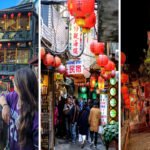
Jiufen Spirited Away The Complete Guide to Taiwan’s Real-Life Anime Mountain Village
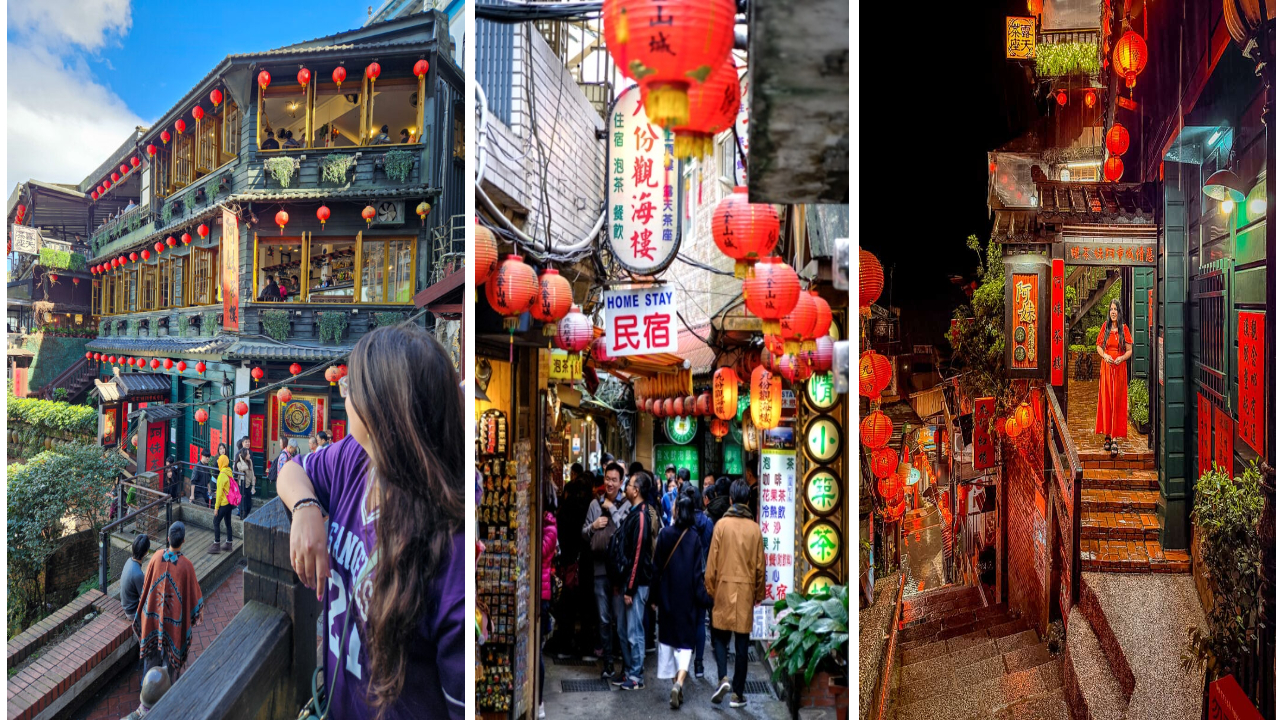
As twilight begins to fall over the small mountain town of Jiufen, something truly magical happens. The narrow, labyrinthine alleyways, already glowing with the warm light of hundreds of red paper lanterns, transform into a scene that feels pulled directly from the most beautiful dream. The stone steps are still damp from the afternoon mist. The scent of sizzling street food—sweet, savory, and spicy—drifts down the old street. And everywhere, crowds of visitors crane their necks, cameras raised, hoping to capture the exact moment when this old gold-mining village becomes the living, breathing spirit world of Hayao Miyazaki’s masterpiece, Spirited Away. This is Jiufen, Taiwan, a place whose beauty is so surreal, so cinematic, that it has become forever linked in the global imagination with one of the greatest animated films of all time.
But the story of Jiufen and Spirited Away is a complicated one, full of rumor, inspiration, and a shared emotional truth. This guide will walk you through everything you need to know: the real history of the town, the truth behind the Ghibli connection, and how to plan the perfect visit to experience the lantern-lit magic for yourself.
The Real Story Did Jiufen Actually Inspire Spirited Away?
The most important thing to address right away is a question that has become a legend in its own right: Did Hayao Miyazaki base the bathhouse town in Spirited Away on Jiufen? The answer is both a gentle no and a romantic yes. The director himself has stated publicly that the film’s setting was not directly modeled on Jiufen. The iconic bathhouse, Aburaya, was primarily inspired by the Dogo Onsen in Matsuyama, Japan, and the Edo-Tokyo Open Air Architectural Museum in Tokyo. Studio Ghibli has never officially confirmed Jiufen as a direct inspiration.
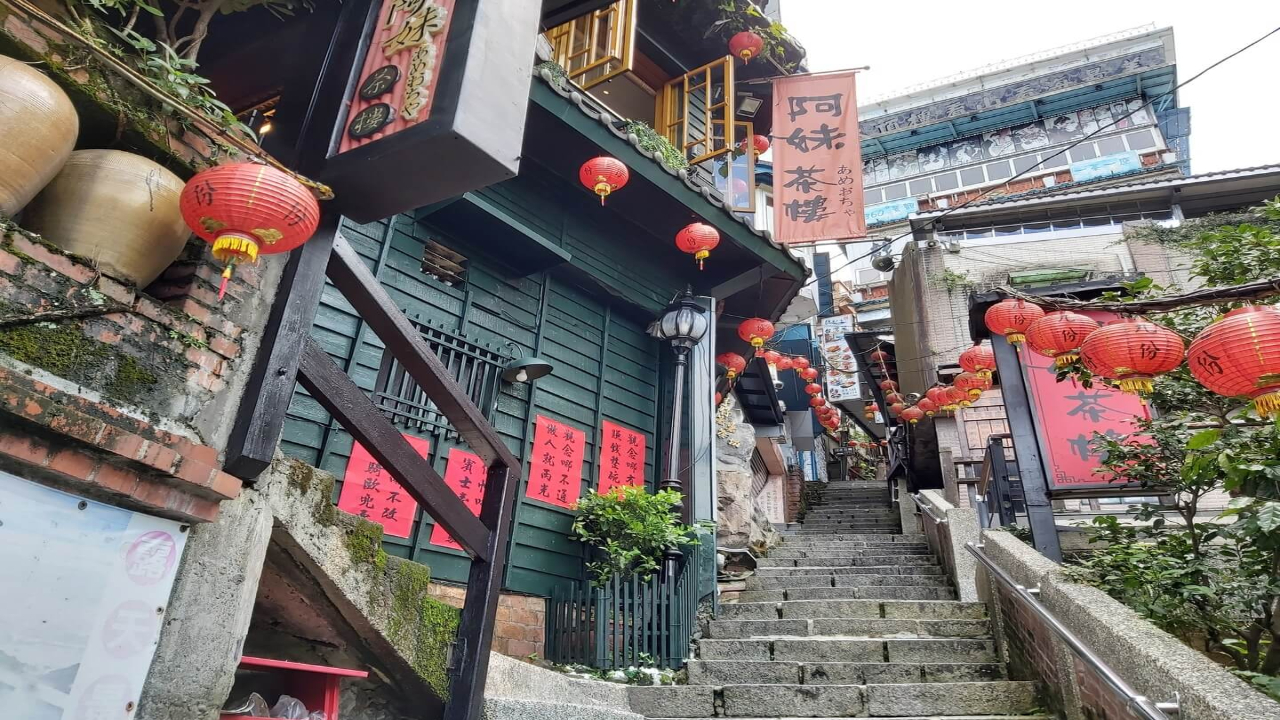
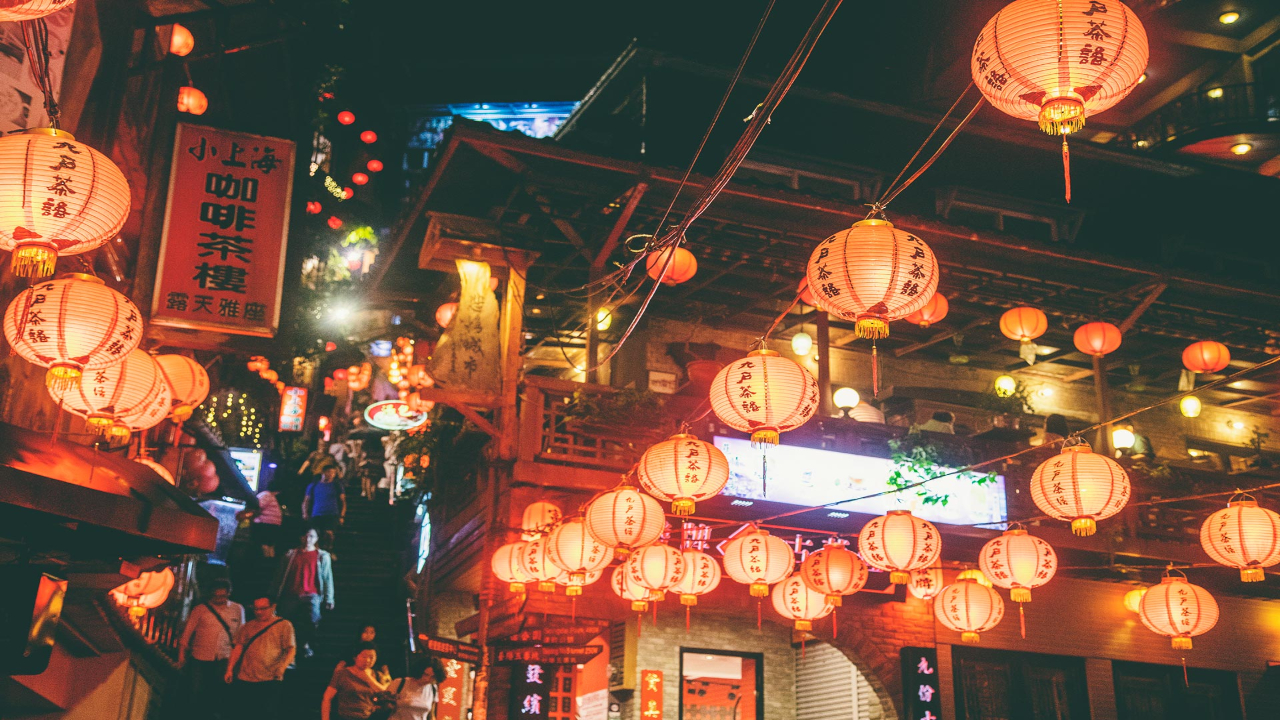
And yet, the legend persists with a stubborn, beautiful power. It refuses to die for a very simple reason: when you walk through Jiufen at night, the resemblance is uncanny. The narrow Shuqi Road, winding up the hillside, lined with traditional tea houses draped in glowing red lanterns, is visually and emotionally identical to the spirit world alleyways that Chihiro explores. The iconic A-Mei Tea House, with its multi-tiered wooden balconies and strings of red lights cascading down the mountainside, looks so much like the bathhouse from the movie that it makes your heart skip a beat. Miyazaki himself is said to have visited Jiufen before making the film, and while the town may not have been the architectural blueprint, the atmosphere, the sense of magical, chaotic life clinging to a steep mountainside, certainly seeped into the film’s soul. The truth is this: Jiufen is not the literal model for Spirited Away, but it is the closest thing you will ever find in the real world to its spirit. And that is more than enough.
A Town Built on Gold The Real History of Jiufen
To understand Jiufen’s atmospheric, leaning, chaotic architecture, you have to understand gold. In 1890, during the Qing Dynasty, workers discovered gold flakes in a river. A gold rush began, and by the time the Japanese arrived in 1895, the small mountain settlement of just nine families—hence the name Jiu-fen, meaning “nine portions”—had exploded into a booming, wealthy town. During its peak, Jiufen was a city of gold miners, merchants, and teahouses, full of prosperity and a wild, frontier spirit. The Japanese built a shinto shrine, a hospital, schools, and a sophisticated mining infrastructure.
The narrow, stacked buildings that are now so photogenic were built quickly and densely to fit as many people as possible on the steep slope. When the gold ran out in the 1950s, the town fell into a quiet decline, almost forgotten. That is, until 1989, when the Taiwanese historical drama film A City of Sadness, directed by Hou Hsiao-hsien, was filmed in Jiufen and won the Golden Lion at the Venice Film Festival. The film sparked a wave of nostalgia tourism, and visitors began to return. The teahouses reopened, the lanterns were hung, and Jiufen was reborn as the romantic, nostalgic mountain town that captures the hearts of millions of visitors today.
How to Get to Jiufen from Taipei
Reaching Jiufen from Taipei is surprisingly simple and makes for a perfect day or evening trip. The most common and scenic route involves taking a train from Taipei Main Station to Ruifang Station. The express train takes about 35 minutes. From Ruifang, you exit the station and cross the street to the bus stop. The local bus 788 or 1062, as well as the tourist-friendly 965 bus, will take you directly up the winding mountain road to Jiufen Old Street. The bus ride is about 20 minutes and is an adventure in itself, offering glimpses of the lush, green hills and the distant Pacific Ocean.
A popular and recommended way to combine your trip is to visit the magnificent Shifen Waterfall and release a sky lantern in the small railway town of Shifen in the morning, and then arrive in Jiufen in the late afternoon, just in time for the lanterns to switch on. Organized day tours from Taipei that cover both Shifen and Jiufen are affordable, convenient, and take all the stress out of logistics.
The Best Time to Visit Jiufen for the Spirited Away Magic
Timing is everything for experiencing the “Spirited Away” vibe. Jiufen is at its most transcendent and least crowded on a late afternoon to evening on a weekday. The goal is to be on the Shuqi Road when the sun sets and the lanterns begin to glow. The golden hour, just before sunset, bathes the mountainside and the ocean in soft light. As the light fades, the red lanterns take over, and the town is cloaked in an intimate, warm, and magical atmosphere.
Weekends and public holidays are notoriously, almost impossibly, crowded. The narrow alleyway of Shuqi Road, the most photographed spot in town, can become a shoulder-to-shoulder crush of people. If you want that clear shot of the A-Mei Tea House and the lantern-lit steps, you must go on a Monday, Tuesday, or Wednesday, and arrive by 4:00 PM. The rainy, misty days, which are common in Taiwan, actually enhance the experience. The mist swirling around the lanterns makes the town feel even more mysterious and otherworldly. Avoid the midday sun, which can feel harsh and washes out the lanterns’ charm.
Exploring Jiufen Old Street The Sensory Feast
Jiufen Old Street is not one street but a warren of interconnected, steep alleyways and covered staircases. The main entrance is a narrow alley that quickly opens into a vibrant, chaotic, and delicious-smelling market. The sensory overload is instant. The street is lined with shops selling everything from traditional puppets and leather goods to hand-painted fans and cat-themed souvenirs. The air is thick with the smell of cooking.
You will inevitably be carried by the flow of the crowd up the stairs to Shuqi Road, the famous long, steep staircase lined with wooden tea houses, stone walls, and those iconic red lanterns. This is the heart of the Spirited Away fantasy. At the very top sits the legendary A-Mei Tea House, a stunning black-wood building that seems to lean out over the hillside. It’s the most photographed teahouse in all of Asia, and stepping inside for a traditional tea ceremony, where you learn to brew high-mountain oolong tea the proper way, is the quintessential Jiufen experience. The view from the balcony, over the rooftops and out to the dark ocean, is utterly unforgettable.
The Food of Jiufen Must-Eat Street Snacks
Jiufen is a culinary treasure chest, and eating your way through the old street is a non-negotiable part of the visit. The absolute must-eat dish, the soul of Jiufen food, is the taro ball dessert. A bowl of steaming or iced sweet soup is filled with chewy, colorful balls made from taro and sweet potato. The most famous shop is Grandma Lai’s Taro Balls, a humble little stall with a queue that moves quickly and a taste that has defined the town for generations. You eat at simple wooden tables, and the view from the back window is a stunning bonus.
Yuyuan, another famed taro ball shop, offers a polished experience with expansive, beautiful seating that overlooks the mountains and sea. Beyond taro balls, you must try a slice of glutinous rice cake, roasted over charcoal until puffed and crispy on the outside and stretchy on the inside, brushed with a sweet and savory soy glaze. The peanut ice cream roll is a classic Taiwanese treat: two scoops of taro ice cream are sprinkled with peanut shavings and fresh cilantro, then wrapped tightly in a thin popiah crepe. It sounds odd, but the combination of cold, sweet, savory, and herbal is utterly addictive. And you can’t miss the stuffed fish balls, grilled squid on a stick, and the dozens of varieties of sun cakes and pineapple cakes to take home.
Practical Tips for Your Jiufen Spirited Away Visit
Jiufen’s beauty lies in its steep, uneven stone steps. Wearing comfortable, non-slip shoes is a must. High heels or slick-soled sandals are a hazard. The weather is famously unpredictable; carry a small umbrella or a lightweight rain jacket. Many shops and food stalls operate on cash only, so bring enough New Taiwan Dollars from Taipei. While some teahouses and restaurants accept cards, the street food world runs entirely on cash and coins. Stay overnight if you truly want to experience the empty, silent, deeply atmospheric Jiufen after 8:00 PM, when the day-trippers have all gone back to the city. Small, family-run guesthouses and minsu bed-and-breakfasts, often with incredible views of the sunrise over the Pacific, dot the hillside.
Frequently Asked Questions (FAQ) About Jiufen Spirited Away
Q1: Did Hayao Miyazaki actually confirm Jiufen inspired Spirited Away?
No, he has never officially confirmed it. Miyazaki has stated that the bathhouse was inspired by Dogo Onsen and the Edo-Tokyo Open Air Museum. However, the atmospheric, lantern-lit alleyways of Jiufen bear such a striking resemblance to the spirit town in the film that the global fan community has embraced Jiufen as a real-world counterpart. The connection is one of shared spirit and emotion rather than a direct official adaptation.
Q2: Is Jiufen worth visiting if I am not a Studio Ghibli fan?
Absolutely. The Ghibli connection is just a small, modern layer of the town’s deep charm. Jiufen is a stunningly preserved mountain mining village with a fascinating history, jaw-dropping views of the ocean, an incredible tea culture, and some of the best street food in Taiwan. The red lanterns, the winding alleys, and the old-world atmosphere are breathtakingly beautiful regardless of any film connection.
Q3: Can I see all of Jiufen in a couple of hours?
You can walk the main old street and take photos on Shuqi Road in two or three hours, but you would be rushing and missing the point. A proper visit involves slowing down. You need time to wait in line for taro balls, to sit through a leisurely tea ceremony at a historic tea house, to wander the quieter upper residential streets, and most importantly, to wait for the sunset and watch the lanterns turn on. Give the town at least five or six hours, ideally arriving mid-afternoon and staying well after dark.
Q4: Is Jiufen accessible for people with mobility issues?
Unfortunately, Jiufen is extremely challenging for those with mobility limitations. The entire town is built on a very steep hillside. The main attractions are reached by long, uneven flights of stairs with very few handrails or ramps. The alleyways are narrow, crowded, and often slippery when wet. A visit can be partially managed with careful planning, but the core, most beautiful parts of the town are not wheelchair-friendly or suitable for those who have significant difficulty with stairs.
Q5: Where exactly is the best photo spot to capture the Spirited Away vibe?
The single most famous shot is taken from the top of Shuqi Road, looking down the staircase towards the A-Mei Tea House. You will see a large cluster of people gathered at the top, just past the tea house, leaning over the wall. This is the spot. For the best results with the fewest people in your shot, you need to be there on a weekday evening, after 6:00 PM, with a camera that handles low light well. Another spectacular, less crowded viewpoint is from the observation deck near the Jiufen Police Station, which gives you a sweeping panorama of the entire coastline.
Q6: Is Jiufen a good day trip from Taipei?
Yes, it is one of the most popular and rewarding day trips in Taiwan. The transport is direct and reliable. For the ultimate day, combine a morning visit to Shifen Waterfall and Shifen Old Street, where you can release a sky lantern, with an afternoon and evening in Jiufen. Organized tours make this an easy, stress-free itinerary that gets you back to Taipei by late evening.
Q7: Can you stay overnight in Jiufen, and is it recommended?
Yes, you can, and yes, it is highly recommended if you want to experience the town’s magic without the daytime crowds. There are numerous small guesthouses and minsu perched on the hillside, many with rooftop terraces offering stunning sunrise views over the Pacific Ocean. After the last tour bus leaves around 7:30 PM, the town settles into a quiet, lantern-lit calm that feels truly transported to another era. The morning, before the crowds arrive, is pure peace.